


'/%3E%3Cpath%20fill='%23b2b2b2'%20d='M241%20382q0%2016%2017%2026%2017%2011%2042%2011t42-11q16-11%2017-26V269H241'/%3E%3Cpath%20fill='%239f7e00'%20d='M241%20379q0%2014%208%2023%209%209%2021%209%2014%200%2021-9%209-9%209-23V269h-59'/%3E%3Cpath%20d='M241%20339v-70h59v110q0%2014-9%2023l-6%205v-68h-15v72q-8%200-14-4v-68zm59%2040c0%2022%2015%2032%2029%2032%2021%200%2030-18%2030-32v-40h-59'/%3E%3Cpath%20fill='%239f7e00'%20d='M266%20277v5h2v12h-3v-5h2v-5h-9v5h2v5h-4v9h3v18h-5v10h34v-10h-5v-18h3v-9h-4v-5h2v-5h-9v5h2v5h-3v-12h2v-5zm42%20101q0%2010%206%2017%206%206%2015%207%2010-1%2016-7%206-7%206-17v-29h-43'/%3E%3Ccircle%20fill='%230044ad'%20cx='329.5'%20cy='372'%20r='6'/%3E%3Cellipse%20fill='%230044ad'%20cx='300'%20cy='340'%20rx='16'%20ry='21'/%3E%3C/svg%3E)

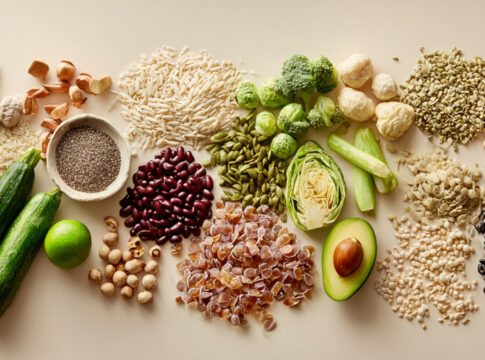
Dietary Guidelines for Americans is the United States’ premier nutrition guidance document, which is updated every five years by the Departments of Agriculture (USDA) and Health and Human Services (HHS).
They provide evidence-based recommendations to offer the public support in implementing dietary patterns that promote lifelong health, promote nutritional balance, and reduce the risks of chronic disease.
The 2025–2030 edition represents a strong reorientation of food priorities, with an emphasis placed on nutrient-dense foods and balanced eating patterns. The Guidelines also offer clear targets for the consumption of proteins, fruit, vegetables, whole grains, dairy products and healthy fats.
For the food, beverage and supplement industry, these guidelines provide a strategic reference for product development, innovations in functional ingredients and communication with consumers and distribution channels, as they indicate future market trends and expectations.
Further reading: Food trends 2026: what will drive innovation in the food and beverage market
Key highlights of the new edition of the 2025–2030 Dietary Guidelines for Americans

The latest edition of the Guidelines reaffirms that dietary patterns should be adjusted according to needs throughout an individual’s life, including during childhood, adolescence, adulthood, and special stages such as gestation. This reinforces the importance of products that are adapted to different phases and food profiles.
Highlights of recommended standards
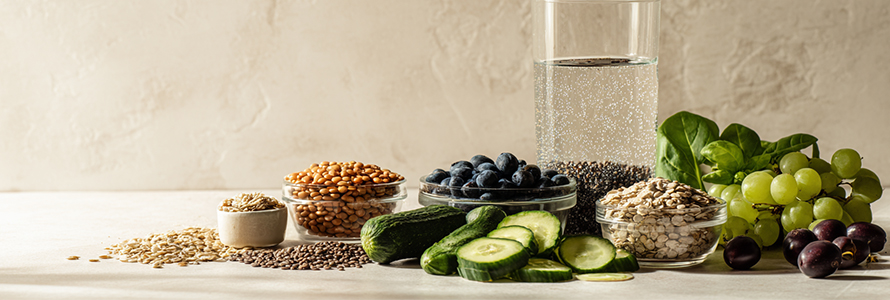
The new edition of the Dietary Guidelines for Americans reinforces dietary patterns that are structured and applicable to consumers’ daily lives. The main points contained in the Guidelines highlighted include:
- Encouraging the consistent presence of high-quality proteins throughout the day, with recommended ranges between 1.2 and 1.6 g per kg of body weight, which are adjusted to individual needs and life stages.
- Regular inclusion of vegetables, fruits and whole grains, with established targets portions adaptable to the caloric profile and dietary pattern adopted.
- Promotion of adequate hydration and strategic beverage choices, prioritizing the consumption of water and options without added sugars.
More than nutritional guidelines, these orientations act as a practical guide to innovation. They offer clear parameters for R&D teams as they develop formulations that contribute to balanced eating patterns while combining nutritional density, functionality and sensory performance, without sacrificing convenience and individual consumption experience.
Placing value in nutrient-dense foods and beverages

These guidelines reinforce the need to prioritize foods that contribute essential nutrients, such as protein, vitamins, minerals, fiber, and healthy fats, rather than empty calories. Defined nutritional focus points:
- Varied proteins of an animal and plant origin, including eggs, fish, lean meats, beans, lentils, and nuts.
- Dairy products, particularly products that are free of added sugars and offer a favorable nutritional profile, such as probiotic systems or micronutrient fortification.
- Healthy fats, including a recommendation to include sources rich in essential fatty acids (e.g. olive oil, oilseeds, oils rich in omega-3).
This new value principles create spaces for functional ingredients that enhance the nutritional density of innovative food and beverage products.
Functional ingredients as allies in day-to-day health

Although they do not exclusively refer to supplements, these guidelines highlight factors that favor functional ingredients in foods, such as:
- Support for individual microbioma through fiber and fermented foods, enhancing benefits for digestion and immune health.
- Source of functional fibers, contributing to satiety, glycemic regulation and intestinal health.
- Essential fats, associated with central metabolic functions.
These elements pave the way for innovation in categories such as functional drinks, enriched snacks, and supplements targeting metabolic, digestive, and immune health.
Further reading: Yerba mate, the green jewel of Latin America: a new way of thinking beyond matcha
Impacts of Dietary Guidelines for Americans on innovation in the U.S. food and beverage industry

Such guidance for dietary patterns that emphasize high-quality protein, macronutrient balance, and microbiome support creates clear opportunities for the development of:
Functional protein-focused drinks
Protein-enriched beverages with a high biological value, including mixtures of animal and plant proteins capable of meeting daily protein intake recommendations.
In practice, such guidance can be translated into categories such as ready-to-drink (RTD) protein drinks, powdered shakes, protein milk drinks, and plant-based protein drinks, as well as functional smoothies.
With this type of application, the challenge lies in balancing nutritional profile and an agreeable sensory experience, especially when using vegetable bases.
Solutions such as natural flavors, botanical extracts and sensory modulation technologies allow for improvements in taste, mask residual notes and increase the attractiveness of these formulations without compromising nutritional benefits.
Probiotic and prebiotic beverages
Products that favor microbiome diversity through the use of fermented cultures, soluble fibers or ingredients that promote intestinal health.
This movement is driving the popularity of formats such as kombuchas, fruit-based fermented drinks, functional shots, prebiotic waters and dairy-based beverages containing active cultures. In addition to functionality, consumers are seeking a unique sensory experience, with fruity, citrus and botanical profiles.
Within this context, the use of natural flavors, plant-based extracts and dehydrated fruit ingredients contributes to the development of more authentic flavors that aligned with an ever-increasing perception of naturalness.
Supplements that complement specific nutritional needs
Supplements containing micronutrients (vitamins and minerals), omega-3s and bioactive compounds that support nutritional functions aligned with targets for lifelong eating patterns.
These guidelines favor the growth of formats such as nutraceutical beverages, concentrated shots, soluble powders used in instant preparations and hybrid supplement and functional beverage systems.
These products require special attention to stability, palatability and the standardization of sensory experience. Ingredients such as botanical extracts, aromatic bases and technological solutions used in beverages allow for more complex formulations while maintaining sensory performance suitable for daily consumption.
Further reading: Non-alcoholic beverages: innovation, wellness and convenience drive a changing market
Turning guidelines into product solutions
In order for R&D teams to be able to convert the recommendations contained in the Dietary Guidelines for Americans 2025–2030 into real market opportunities, it is critical that a structured approach be adopted that connects science, formulation, and consumer experience. Some important initiatives and opportunities are discussed in further detail below:
Identify market gaps
Mapping categories in which recommended dietary patterns are still underrepresented will allow strategic innovation opportunities to be identified. This includes, for example:
- Products with a higher nutritional density
- High quality protein alternatives
- Practical solutions that facilitate the consumption of fruits, vegetables and whole grains
By aligning their portfolio with official recommendations, brands are able to strengthen their positioning with retailers, food service companies and consumers who are increasingly attentive to health and transparency.
Integrate functional ingredients backed by science
These guidelines reinforce the importance of essential nutrients throughout an individual’s life. To meet these guidelines, manufacturers may incorporate:
- Soluble and prebiotic fibers
- Complete proteins or protein blends
- Strategic vitamins and microminerals
- Bioactive ingredients associated with metabolic well-being, immunity and gut health
In addition to meeting nutritional recommendations, the integration of products provides a competitive advantage and helps build up added value.
Develop formulations centered on sensory experience
Alignment with the Dietary Guidelines for Americans must not compromise taste, texture or convenience. The strategic challenge for R&D departments involves balancing:
- Nutritional density
- Technological performance
- Attractive sensory profile
- Industrial stability and viability
Ingredient solutions that deliver functionality and sensory performance are therefore critical to ensuring acceptance and repurchase.
Validate evidence and strengthen technical communication
With increased attention being paid to regulatory standards and information in the US market, it is essential that nutrition and functional claims be based on:
- Robust scientific evidence
- Official references such as the Dietary Guidelines for Americans
- Compliance with current regulations
This approach will strengthen brand credibility and reduce regulatory risks.
Translate guidelines into clear consumer narratives
In addition to technical formulations, another key strategy is to transform nutritional recommendations into simple and understandable messages.
Products that clearly communicate their role within a balanced dietary pattern, such as protein source, contribution to daily fiber intake, or support for lifelong health tend to generate a greater sense of connection and trust.
By transforming the Dietary Guidelines for Americans into concrete innovation criteria, companies cease to act exclusively in a reaction manner to regulations and start leading market developments.
The results are foods, beverages and supplements that combine compliance, a competitive advantage and a high acceptance potential while align the concepts of nutritional science, sensory expertise and business strategy.
Further reading: The new generation of energy drinks: natural, functional and ready for the new consumer
DR Flavors & Ingredients: partners in innovation aligned with nutritional Guidelines
The Dietary Guidelines for Americans 2025–2030 represent a robust framework for offering orientations for food choices and consumption patterns in the United States.
Within the food, beverage, and supplement industry, they offer strategic insights into nutritious ingredients, balanced dietary patterns, and opportunities for functional innovation.
Making a company’s presence felt in this context involves translating technical recommendations into sensory, safe and desirable products — something that centers on expertise, market insight and technical guidance and strengthening the connection between official guidelines and high-impact product solutions.
With 100 years of excellence and innovation, DR is the ideal strategic partner for manufacturers looking to connect official nutritional recommendations to real product solutions. We do this through:
- Technical consulting and trend insights, translating recommendations like the Dietary Guidelines for Americans into tangible R&D opportunities.
- Expertise in advanced functional ingredients, capable of enhancing the nutritional and functional value of food formulations.
- Support in defining sensory and functional matrices that do not compromise performance and consumer appeal.
We are a link between regulatory trends and applicable innovation, supporting R&D teams in developing products aligned with the latest health and market guidelines. Talk to our team today and explore how we can support your next innovation project.