

'/%3E%3Cpath%20fill='%23b2b2b2'%20d='M241%20382q0%2016%2017%2026%2017%2011%2042%2011t42-11q16-11%2017-26V269H241'/%3E%3Cpath%20fill='%239f7e00'%20d='M241%20379q0%2014%208%2023%209%209%2021%209%2014%200%2021-9%209-9%209-23V269h-59'/%3E%3Cpath%20d='M241%20339v-70h59v110q0%2014-9%2023l-6%205v-68h-15v72q-8%200-14-4v-68zm59%2040c0%2022%2015%2032%2029%2032%2021%200%2030-18%2030-32v-40h-59'/%3E%3Cpath%20fill='%239f7e00'%20d='M266%20277v5h2v12h-3v-5h2v-5h-9v5h2v5h-4v9h3v18h-5v10h34v-10h-5v-18h3v-9h-4v-5h2v-5h-9v5h2v5h-3v-12h2v-5zm42%20101q0%2010%206%2017%206%206%2015%207%2010-1%2016-7%206-7%206-17v-29h-43'/%3E%3Ccircle%20fill='%230044ad'%20cx='329.5'%20cy='372'%20r='6'/%3E%3Cellipse%20fill='%230044ad'%20cx='300'%20cy='340'%20rx='16'%20ry='21'/%3E%3C/svg%3E)
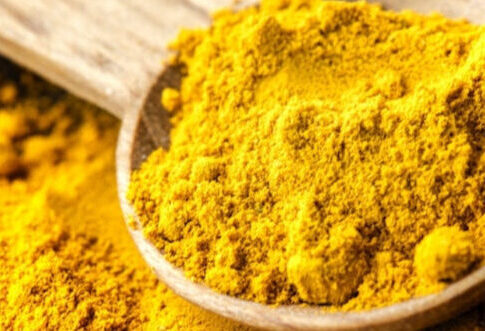
The fruit of the Dimorphandra mollis tree is recognized for the important therapeutic properties of its bioactive compounds and has become an important ally for innovations in the food and nutraceutical industry.
Recognized for its therapeutic properties, Dimorphandra mollis, more commonly known as fava d’anta, is a plant native to the arid regions of the Cerrado (Brazilian Savanna), the second largest biome in South America.
The species is one of the most abundant sources of rutin (and consequently quercetin) in the world, phytoconstituents that are on the rise mainly in the supplement market for their rich bioactive potential, because they help meet the growing consumer demand for products related to health care.
Benefits of quercetin and rutin
These bioflavonoids, also found in fruits and other vegetables, are extensively studied for their numerous health benefits, including antioxidant, antimicrobial, anti-inflammatory, antiviral and anticancer properties.
Quercetin’s strong antioxidant properties allow it to eliminate free radicals, reduce oxidative stress and protect against cell damage, say Spanish researchers Fatemeh Aghababaei 1 and Milad Hadidi in their article “Recent Advances in Potential Health Benefits of Quercetin”.They also highlight cardiovascular benefits, such as lowering blood pressure and cholesterol levels as well as improving endothelial function, “making it a promising candidate for the prevention and treatment of cardiovascular disease”.
Rutin is widely used in the manufacture of medicines that strengthen blood vessels and capillaries.
What is fava d’anta?
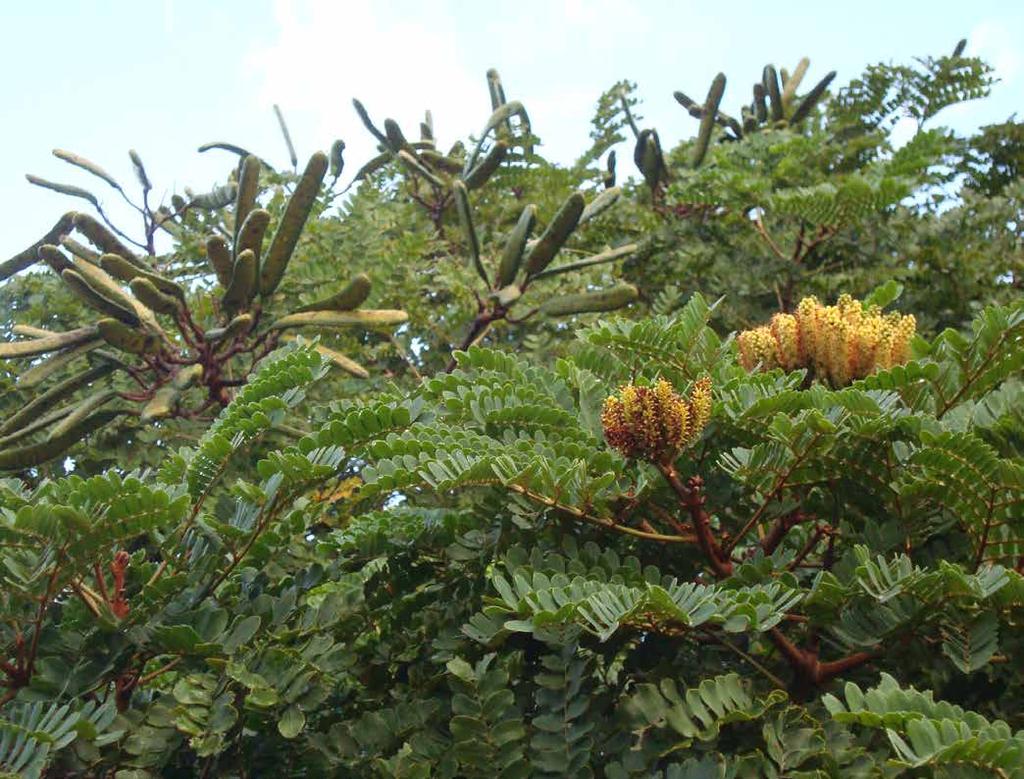
Credit: Duas Rodas
With scientific name Dimorphandra mollis, fava d’anta is also popularly known as faveira, favela or falso-barbatimão, depending on the region of Brazil.
The trees are medium-sized and can reach up to 20 meters in height. They are found in the states of Goiás, Minas Gerais, Distrito Federal, Mato Grosso, Mato Grosso do Sul, São Paulo, Maranhão, Tocantins, Piauí, Bahia, Pernambuco and Ceará.
Its flowers (inflorescences) are in branch systems that can often be mistaken for a single flower. The fruits are pod-shaped, with an average of 15 seeds, and have a strong and sweet odor. The ideal harvest time is at an intermediate stage of ripeness, when the broad beans are still green but already full-bodied and have a greater amount of active ingredients that will be used for industrial production. This usually occurs at the end of the rainy season and the start of the dry season, between April and August.
As it is a very resistant species that can develop in poor, dry, stony, and acidic soils, it has an ecological importance for ecosystems. Its fruits and seeds are resources for fauna, consumed by various animals such as tapirs, macaws, toucans, among others.
Fava d’anta is also a source of income for farming families in the Brazilian Savanna, which has “a huge diversity of plants, animals and also of peoples and communities such as indigenous, quilombolos, riverside dwellers, babassu coconut breakers, geraizeiros, sertanejos, vazanteiros, gypsies and several peasant farming communities”, says Bruno de Carvalho Filizola in “Fava d’Anta – Boas práticas de manejo para o extrativismo sustentável“, published by Instituto Sociedade, População e Natureza [Institute of Society, Population and Nature] (ISPN) and Embrapa – Genetic Resources and Biotechnology.
The booklet is used to inform family farmers and traditional peoples to guide the sustainable harvest of the fava d’anta fruits. The good management practices recommend that pickers always leave a part of the fruit on each tree for animals and plant reproduction.
In the guide, Bruno reinforces the importance of managing socio-biodiversity, which is a “set of procedures that ensure the sustainable exploitation of species, i.e., that contribute to the maintenance of natural populations and ecological balance and generate improved productivity and quality of production”.
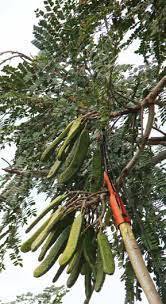
Credit: Instituto Sociedade, População e Natureza [Institute of Society, Population and Nature] (ISPN)
What is quercetin?
Quercetin is a flavonoid obtained from rutin, another bioactive of fava d’anta, and its use has a very positive expectation in the global market, considering the interest of consumers in holistic well-being and preventive health care.
“In the coming years, the integration of quercetin-rich foods into daily diets and the development of specialized quercetin supplements are likely to become common practices for maintaining overall health and preventing chronic disease”, noted the article “Recent Advances in Potential Health Benefits of Quercetin”.
Among its various benefits, what can be highlighted is the strengthening of the immune system and, according to a study by Mintel, consumers in the Americas are willing to pay more for products with benefits for the immune system. The highlights are Chileans, with 71%; Mexicans, with 64%; and Colombians with 62%.
In the last 5 years, Europe led, with 37% of products, the number of launches of dietary supplements containing quercetin; then, with 26%, came the countries of North America; and 23%, those of Asia and the Pacific.
Among the releases, the main formats were: 40% capsules; 28% tablets; 16% Powder; and 11% Liquid.
Here are some examples of products enriched with quercetin:
The use of ingredients that provide functionalities and health benefits continues to be highlighted in food and beverage trends for 2024. And quercetin and rutin are among the botanical compounds that have been gaining increasing visibility for their rich bioactive potential and diversity of health benefits.