


'/%3E%3Cpath%20fill='%23b2b2b2'%20d='M241%20382q0%2016%2017%2026%2017%2011%2042%2011t42-11q16-11%2017-26V269H241'/%3E%3Cpath%20fill='%239f7e00'%20d='M241%20379q0%2014%208%2023%209%209%2021%209%2014%200%2021-9%209-9%209-23V269h-59'/%3E%3Cpath%20d='M241%20339v-70h59v110q0%2014-9%2023l-6%205v-68h-15v72q-8%200-14-4v-68zm59%2040c0%2022%2015%2032%2029%2032%2021%200%2030-18%2030-32v-40h-59'/%3E%3Cpath%20fill='%239f7e00'%20d='M266%20277v5h2v12h-3v-5h2v-5h-9v5h2v5h-4v9h3v18h-5v10h34v-10h-5v-18h3v-9h-4v-5h2v-5h-9v5h2v5h-3v-12h2v-5zm42%20101q0%2010%206%2017%206%206%2015%207%2010-1%2016-7%206-7%206-17v-29h-43'/%3E%3Ccircle%20fill='%230044ad'%20cx='329.5'%20cy='372'%20r='6'/%3E%3Cellipse%20fill='%230044ad'%20cx='300'%20cy='340'%20rx='16'%20ry='21'/%3E%3C/svg%3E)

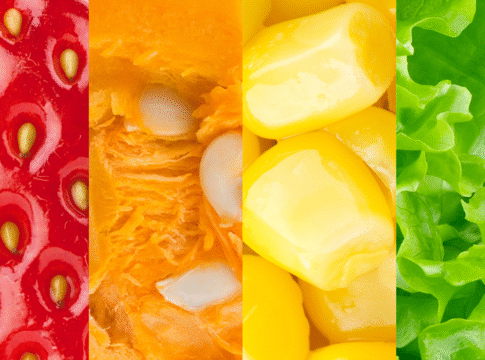
The search for solutions that combine authentic flavor, quality and healthiness has driven the growth of natural flavors for food and beverages, making them essential for innovation in the sector. This trend follows the growing consumer demand for clean label products and ingredients of natural origin, while companies seek to stand out in the market and comply with food safety regulations.
In this article, you will learn about the main categories of natural flavors for food and beverages — powder, liquid and reaction — highlighting some of their characteristics, applications and benefits. In addition, we will bring market data and strategic insights so that R&D, Purchasing and Quality Management professionals can make assertive decisions in the formulation of new products. Enjoy the read!
The growing search for natural flavors in the food and beverage industry
The “natural is better” trend is strengthening the demand for natural flavors for food and beverages, driven by consumers seeking more transparency on labels and sustainable options.
According to Euromonitor International’s Global Consumer Trends 2025 report, the search for sustainable products goes beyond a matter of individual values, becoming an expectation based on concrete evidence and the effectiveness of products. In the second quarter of 2024, this trend was reflected in the global market, with more than 5 million online products bearing sustainability seals in various sectors and countries.
This growth branches into the natural food additives market in Brazil, which is accelerated by greater consumer interest in nutritionally enriched products and healthier eating habits.
Natural and premium ingredients, such as natural flavors and flavor modulators, gain prominence among the main products in this segment.
Not by chance, Mintel GNPD points out that between 2021 and 2024, more than 105 thousand products were launched globally with natural flavors for food and beverages. Brazil comes in at 14 in this ranking.
In the overall global ranking, the categories that most use natural flavors are:
- Baked goods (13.9%)
- Snacks (10.1%)
- Chocolate (8.9%)
- Meat (7.1%)
- Desserts and ice creams (6.6%)
- Sauces (6.3%)
In Brazil, the sectors that most incorporate natural flavors for food and beverages include
- Meat (16.8%)
- Nutritional drinks (10.3%)
- Baked goods (8.7%)
- Chocolate (7.7%)
- Snacks (6.9%)
- Fruit juices and drinks (6.5%)
- Alcoholic beverages (6.5%)
- Sauces (5.0%)
Among the most used flavors, the following stand out:
- Chocolate (5.4%)
- Orange (4.6%)
- Strawberry (4.6%)
- Lemon (3.8%)
- Smoked (3.1%)
- Lemon (2.8%)
- Vanilla (2.6%)
- Apple (2.4%)
- Ginger (2.3%)
- Red fruits (2.2%)
The varieties of natural flavors are also widely explored, as each offers different possibilities and advantages, according to the applications. Check it out below.
Main types of natural flavors for food and beverages
Choosing the right type of natural flavors depends on the desired application. Each offers specific advantages for formulating innovative and sensorially balanced products.
Powder flavors: versatility and stability for various applications
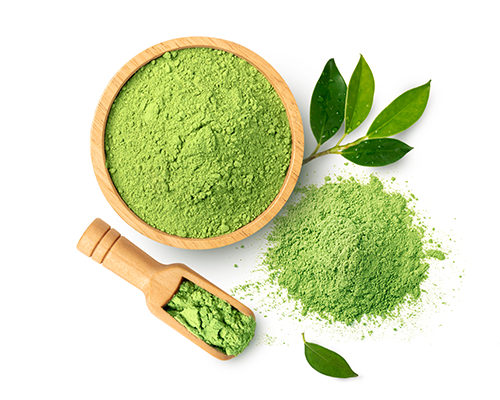
Powder flavors are obtained through processes such as using a spray dryer, which encapsulates the aromatic compounds in solid particles, providing greater stability. This technology is widely used in the food and beverage industry, obtaining ingredients used in flavoring powdered products such as cake mixes, snacks and nutritional supplements.
In addition to stability, powder flavors offer ease of transport and storage, making them perfect for applications that require a long shelf life and high temperature resistance.
According to a study by Markets and Markets, the global market for encapsulated flavors and other microcapsules is expected to reach US$ 13.4 billion by 2026 and confirms: in the food industry, one of its main functions is to mask the characteristic odors and flavors of added vitamins and minerals, in addition to providing these additives with protection against adverse conditions, such as temperature and humidity.
Also read: 5 most used methods in extracting natural actives for food, beverages and supplements
Liquid flavors: the solution to highlight natural ingredients
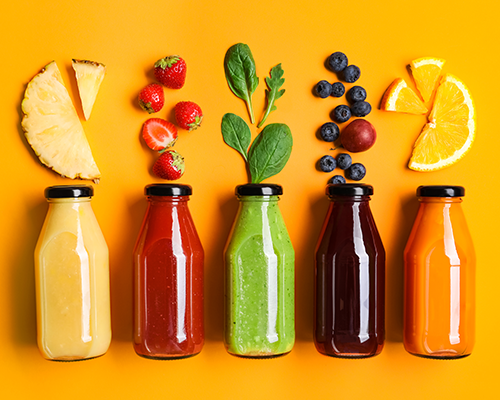
Liquid flavors are known for their high concentration and ability to capture complex sensory profiles. In the food and beverage industry, they are used to enhance natural flavors in products such as juices, teas and dairy products.
More than that, research by Innova Market Insights reveals that 60% of consumers globally carefully read labels for natural ingredients and authentic flavors, which has spurred demand for naturally sourced liquid flavors.
Reaction flavors: the science behind authentic taste

When we think of the unmistakable flavor of grilled foods or freshly baked bread, we are experiencing the result of the chemical reactions that occur during baking. Reaction flavors utilize thermal processes, such as the Maillard reaction, to replicate these complex and authentic notes.
This technology is also valued in the plant-based food industry, where the creation of flavors such as grilled meat or aged cheese is essential to attract consumers in search of more sustainable alternatives.
Natural flavors: an advantage for innovation in the food industry
Natural flavors are strategic in the food and beverage industry, providing authentic sensory experiences and meeting the demands of the modern consumer for healthy and sustainable products. Investing in natural solutions is essential to innovate with quality and conquer a constantly evolving market.
Want to know more about how Duas Rodas is innovating in the natural flavor market? Contact us to learn about our solutions and find out how we can contribute to the success of your product.