


'/%3E%3Cpath%20fill='%23b2b2b2'%20d='M241%20382q0%2016%2017%2026%2017%2011%2042%2011t42-11q16-11%2017-26V269H241'/%3E%3Cpath%20fill='%239f7e00'%20d='M241%20379q0%2014%208%2023%209%209%2021%209%2014%200%2021-9%209-9%209-23V269h-59'/%3E%3Cpath%20d='M241%20339v-70h59v110q0%2014-9%2023l-6%205v-68h-15v72q-8%200-14-4v-68zm59%2040c0%2022%2015%2032%2029%2032%2021%200%2030-18%2030-32v-40h-59'/%3E%3Cpath%20fill='%239f7e00'%20d='M266%20277v5h2v12h-3v-5h2v-5h-9v5h2v5h-4v9h3v18h-5v10h34v-10h-5v-18h3v-9h-4v-5h2v-5h-9v5h2v5h-3v-12h2v-5zm42%20101q0%2010%206%2017%206%206%2015%207%2010-1%2016-7%206-7%206-17v-29h-43'/%3E%3Ccircle%20fill='%230044ad'%20cx='329.5'%20cy='372'%20r='6'/%3E%3Cellipse%20fill='%230044ad'%20cx='300'%20cy='340'%20rx='16'%20ry='21'/%3E%3C/svg%3E)

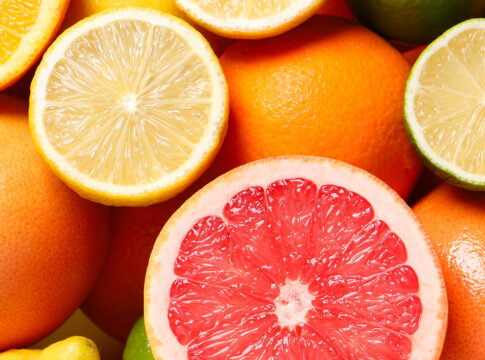
Versatile, familiar and highly desirable, citrus food and drink flavors span generations and cultural boundaries. These flavors are part of our lives from childhood, from juices to candies, and we continue to appreciate their unique comfort in adulthood in signature drinks and sophisticated sauce flavorings. Citrus offers something rare: they are popular but have enormous potential for unique and sophisticated flavors.
Citrus-based flavors are currently in demand not only due to their refreshing taste but for their ability to offer products a natural feel and and a truly innovative sensory experience.

The affective appeal of citrus: inter-generational connections
Flavor has the power to evoke memories and powerful emotions, directly influencing our perception and acceptance of foods. Flavor therefore represents a strategic decision among producers. A study conducted by Costa et al. (2022), entitled “A new Reinforcement Learning framework to discover natural flavor molecules”, investigated the relationship between flavors, emotions and the acceptance of foods at different concentrations and level of familiarity.
Results indicated that traditional flavors, such as tangerine, arouse a positive emotional response and increase food acceptance, especially when presented at ideal concentrations.
This inter-generational appeal is one of the main reasons citrus flavors used food and beverages are the ideal tool for attracting new consumers. In a market increasingly centered on experience, flavors that generate emotional bonds also help reinforce loyalty and brand recognition.

Citrus profiles and their role in sensory segmentation
Cirtus flavor profiles not only appeal to different categories of consumers and age groups but are also intrinsically linked to global trends. According to a report by Mintel (Citrus is the link between alcoholic RTDs and beer, 2022), flavors such as tangerine, blood orange and pink grapefruit are valued for their refreshing taste and capacity for more natural and sophisticated compositions, especially when used in ready-to-drink alcoholic beverages (RTDs), contemporary beers and cocktails.
Additionally, the combination of citrus fruits with herbal flavoring notes, such as ginger and lemongrass, are recognized for offering flavor profiles a touch of complexity and modernity. This combination is highly recommended for brands looking to add a fresh touch to classic beverages and offer more elaborate experiences.
Citrus-based innovation in snack foods and desserts
The study Snack Food Consumption Habits – Brazil – 2024 found that flavor is the main factor among Brazilians when choosing products, surpassing even price. This paves the way for innovations that apply citrus’s unique sensory appeal to snack foods, desserts and comfort foods.
In addition, citrus flavors such as navel orange and tangerine also carry a powerful emotional connection, especially among women aged 25 to 34 — the bigger consumer of oven-baked desserts such as cakes and pies. Emotional bonds with flavor plays a central role in the choice of products within this demographic, which makes these fruits particularly relevant, given that they are among the most preferred and most recognized flavors.
The report also shows that Brazilians tend to seek out experiences that offer immediate pleasure, and ingredients with intense and refreshing flavor, such as citrus, can reinforce a perception of indulgence, without necessarily compromising a sense of balance. This opens up new pathways for the development of sweet snack foods that bring together familiar flavors and a desire for novelty — especially in categories such as ready-made cakes, chilled desserts and packaged bakery products.
Citrus flavors and juices: classics in constant reinvention
Citrus flavors’ strength lies in their unique ability to bring tradition and innovation together. According to the survey Juices – Brazil – 2024, the most popular flavors among Brazilians continue to be orange, grape, pineapple and lime — classics that remain a consumer favorite due to their being associated with the natural, good health and immediate sensory appeal.
However, there is always room for innovation in familiar territory. According to Mintel’s study Citrus flavors offer low-risk innovation opportunities (2023), citrus offers one of the most relevant opportunities for innovation “with a low perceived risk” among food and beverage brands. This means that it is possible to offer new experiences without breaking tradition with regards to consumers’ taste expectation.
Suggested strategies include:
- Exploring regional or lesser-known varieties of citrus fruits such as yuzu, calamansi, blood orange, honey tangerine or pink lemon.
- Combinations of familiar ingredients such as lime + ginger or orange + tropical fruit flavors help bring a sense of novelty to recognizable flavors.
- Applications in new categories beyond sweet beverages, such as snack foods, desserts, sauces and condiments — make citrus flavors a source of freshness, balance and sensory complexity.
This approach is ideal for brands looking to convey a sense of modernity, authenticity and creativity without compromising consumer approval.
Types of citrus fruits that can innovate in existing formulations
The diversity of citrus fruits available on the market allows for a wide range of sensory possibilities. Each variety offers unique characteristics in terms of acidity, sweetness, flavor and intensity and can be used according to the desired profile for each formulation — whether in beverages, desserts, snack foods or sauces. Some of the main citrus fruits used in the food and beverage industry are listed below:
Lemon
Delicate and softly sweet with floral tones, lemons are as well-known for both their unique flavor and striking odor. Lemon offers a moderate level of acidity and is commonly used in fine cuisine and specially made juices and drinks around the world.
Persian limes
With an intense odor and flavor, Persian limes offer acidic green notes that are both striking and highly refreshing. Persian limes are used in a wide range of dishes, and its juice is used to make soft drinks, ice cream and cocktails.
Rangpur lime
With woody, gently earthy notes and a unique acidity, the Rangpur lime is the most purely rural form of lime. Rangpur lime smell and taste is reminiscent of the countryside, which offers a unique nostalgic journey.
Satsuma mandarin
Freshness the most immediate sensation brought on by a satsuma mandarin. With a slightly acidic odor and flavor, satsuma mandarin is ideal for use in juices offering a fresh and highly intense flavor.
Navel orange
Unlike the Rangpur lime, Navel orange offers sweeter notes and a low level of acidity. It is perfect for use in cakes and sweet pastries that translate intense notes into unique flavors and odors.
Bitter orange
Bitter oranges are known for their light and gentle palate. With an intensely sweet taste, low level of acidity and mild bitterness, Bitter oranges are ideal for use in baby foods.
Blood orange
Blood oranges’ provocative color give way a sweet-flavored fruit with a low level of acidity. This fruit appeals to the palate of both adults and children and is ideal for use in dessert foods and juices.
Mandarin orange
With a sweet and aromatic flavor, the mandarin orange offers mild citrus notes and zero acidity. It is the perfect choice for consumers looking for a well-balanced and sweet taste. The mandarin orange’s profile makes it the perfect choice for juices, candies and other dessert foods.
Sweet orange
Sweet orange tends to ripen earlier than the mandarin orange and offers sweet notes and an intense acidity. Sweet orange is one of the most appealing tangerines, together with the common tangerine, and is commonly used to flavor beverages and sweet and savory foods.
Tangerine
Known for its striking odor and intense acidity, the tangerine is one of the most prevalent crops in this family. In addition to its acidic notes, tangerine is also known and loved for its sweet taste. Like the sweet orange, tangerines are highly versatile and be used in both sweet and savory applications.
Palestinian sweet lime
With a sweet taste and mildly bitter notes, the Palestinian sweet lime offers a low level of acidity and a delicate flavor ideal for use in dessert foods and jellies. It also pairs well with vodka-based drinks.
Pomelo
With bitter, acidic and mildly astringent notes, pomelo is highly sought after worldwide, especially in the field of beverages, due to its refreshing properties.
Recommended reading: Duas Rodas explores food industry trends in visits to European trade fairs

The role of flavors in brand positioning
It can be said that flavors are fundamental in reinforcing brand positioning, especially in the food and beverage market, where sensory experiences are essential to attracting and retaining consumers.
Flavor not only enhance the consumer’s sensory experience but also help reinforce a brand’s identity. In the context of citrus flavors, for example, we can highlight Duas Rodas’ exclusive portfolio of flavors that appeal to the authenticity and freshness of fresh fruits and create a sense of naturality and superior quality.
By using citrus flavors to produce sophisticated foods and beverages, brands are able to uniquely position their products on the market, especially among demanding consumers, for whom experiences to carry a profound emotional factor.
This strategic use of flavors as a competitive advantage is a growing trend in industries that seek not only to innovate, but also to consolidate their image as an industry reference for quality and authenticity. Flavors go beyond giving food or drinks a specific taste: they are a powerful tool in building a unique identity for products and brands.

Specialties that inspire trust: Duas Rodas’ citrus flavor tradition
With 99 years on the marketplace and operations across more than 70 countries and 6 manufacturing units, we are an industry reference in citrus-based flavors used in foods and beverages, and the ideal partner for brands seeking out innovative solutions with these profiles. Our team of experts work side-by-side with R&D departments to develop flavors that deliver a high level- performance and an authentic sensory experience across a range of applications:
- Beverages: RTD products, juices, and functional, alcoholic and carbonated beverages.
- Candies and desserts: cakes, candies, fillings, fruit gums, toppings.
- Sauces and condiments: citrus with special notes and herbal tones developed for savory foods.
Recommended reading: 5 most used methods for extracting natural active ingredients for foods, beverages and supplements

Final thoughts
Citrus food and beverage flavors are the ideal choice for brands looking to set their products apart at points of sale and provide an increasingly authentic experience.
With an unparalleled variety of profiles faithful to the original fruits and a technically precise development, Duas Rodas is transforming citrus flavors into a competitive advantage and an opportunity to build unique sensory connections with consumers.
Whether to launch a new product or reposition an existing product on the market, the sophistication of citrus flavors offers a food and beverage producers a promising strategy for growth. Contact us today to learn more.

