



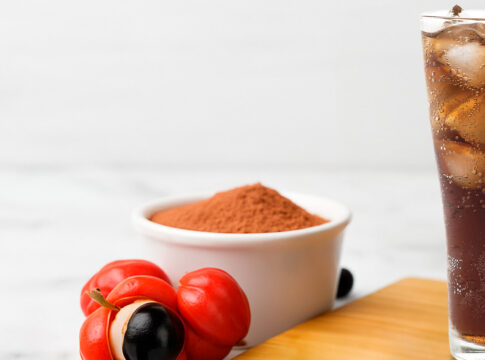
Botanical extracts are ingredients increasingly valued globally by the food industry. Extracted from specific parts of plants — such as seeds, leaves, peels, and fruit pulps — these concentrates contain natural compounds that can be used for various purposes: flavoring, preservation, coloring, or as an alternative to synthetic additives.
In addition to their natural appeal, many botanical extracts are also used for their functional properties linked to health, such as immune support, antioxidant action, energizing effects, or contributions to metabolic balance — qualities that broaden their use in foods, beverages, and supplements positioned for wellness.
Their popularity is growing as consumers seek cleaner labels, recognizable ingredient sources, and more sophisticated sensory appeal. In this content, we explore the technologies behind botanical extracts and how these ingredients translate into real solutions for food, beverage, and supplement categories.
You may also enjoy reading: Flavors and colors: how they shape the sensory experience of food
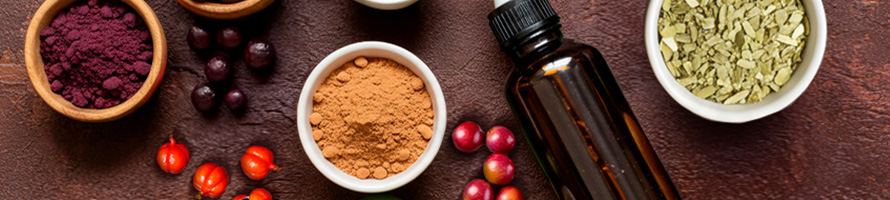
Natural active ingredients as a starting point
The development of botanical extracts begins with the careful selection of plant-based raw materials. Tropical fruits, seeds, roots, leaves, and peels are selected for their richness in natural compounds — such as polyphenols, caffeine, vitamin C, anthocyanins, and other phytochemicals — that provide functional and sensory potential for formulations.
These natural active ingredients serve multiple functions in foods and beverages: they provide color and flavor, can act as antioxidants, antimicrobials, or energy boosters, and help differentiate products at the point of sale.
Each plant has a unique phytochemical profile. For example:
- Acerola cherry and camu-camu are widely known for their high concentration of natural vitamin C;
- Ingredients such as guaraná, yerba mate, and green or roasted coffee are valued for their caffeine and phenolic compounds;
- Fruits like açaí and maqui are rich in anthocyanins, natural pigments with important antioxidant properties.
Each plant has a unique combination of compounds, and understanding this composition is essential to determine the best extraction process.
Extraction and drying technologies: from plant matrix to final ingredient
The choice of extraction method depends on the client’s objective: the focus may be on aromatic intensity, sensory profile, bioactive concentration, or performance in a specific application.
Extraction methods
The extraction process begins with receiving carefully selected raw materials, in accordance with the application purpose and current regulatory standards.
The plant parts used vary according to the technological and sensory potential of each plant, respecting the legal usage possibilities. To ensure safety and microbiological integrity, all ingredients arrive at the factory in a dehydrated state.
From there, the raw material may undergo grinding or breaking steps, when necessary, to facilitate the release of the compounds of interest. Next, it is sent to the extraction processes, which are selected based on the desired characteristics of the final ingredient. The main extraction methods include:
Maceration
Recommended for extracting more volatile and aromatic compounds, this method involves keeping the plant material in contact with a solvent for a set period, under agitation and temperature control.
Because it is less thermally aggressive, it better preserves the flavors and delicate sensory profiles of the plant. Although it has lower yield and is more prone to saturation, maceration is an excellent option when the goal is to preserve specific sensory characteristics, such as fragrance or flavor.
Percolation
More efficient for extracting bioactive compounds, percolation ensures greater control and better recovery of the desired active ingredients. In this process, the solvent continuously passes through the plant material and is renewed in predetermined cycles, allowing for higher yield and greater consistency. It is widely used when the goal is to maximize the extraction of functional components with technological activity.
After extraction, the ingredient may undergo additional steps as needed for the final application:
- Purification: this step allows the removal of undesirable components from the extract, such as chlorophyll present in guaraná extract, which could negatively affect the color of the final formulation. It is also possible to remove larger particles, whether soluble or insoluble, to tailor the ingredient to the desired standards of solubility, color, or flavor.
- Concentration: widely used as a preparation step before drying, concentration aims to reduce the extract’s volume and increase the density of active compounds. This step can be performed with different thermal methods and can be omitted when the extract is kept in liquid form. In general, it is an intermediate phase before dehydration.
Spray dryer: the most used technology for drying botanical extracts
Spray drying is a continuous process that involves atomizing a liquid solution or suspension of the botanical ingredient into small droplets, which are then exposed to a stream of hot air.
The water evaporates quickly, resulting in a fine, dry powder. The process is highly controlled, allowing sensory properties like color, flavor, and nutrients to be preserved.
The drying air temperature, as well as the atomization rate and the concentration of the initial liquid, are critical parameters that influence the final product quality.
It is widely used for ingredients that need to preserve bioactive properties and flavor, have good solubility, and a refined texture—such as powdered juices and refreshments where visible or suspended particles are undesirable.
Also read: Duas Rodas explores food industry trends in visits to European trade fairs
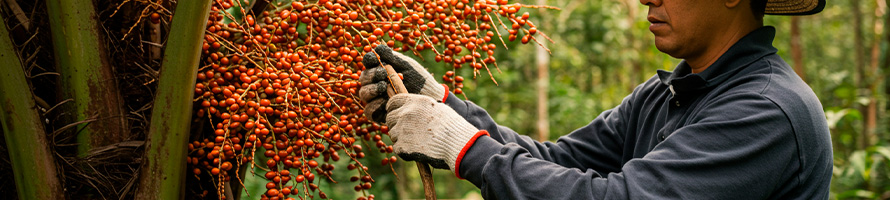
Bioactives from Latin America: natural potency for food, beverages and supplements
Latin America is home to unique biodiversity, with fruits, seeds, and plants rich in bioactive compounds valued by the food, beverage, and supplement industries. From different biomes and regions—such as the Amazon, Atlantic Forest, Cerrado, Andes, and tropical forests—come ingredients with high levels of vitamin C, caffeine, anthocyanins, and other phytochemicals with functional, antioxidant, and sensory potential.
These natural active ingredients attract global interest due to their properties and their connection to more sustainable practices and cleaner labels. Depending on the species and extraction process, these extracts can be used to enrich functional beverages, powdered supplements, dairy products, baked goods, snacks, and much more.
Next, discover some of the main Latin American–sourced ingredients, their predominant bioactive compounds, and potential industrial applications.
Acerola cherry
Acerola cherry (Malpighia emarginata) is recognized as one of the richest natural sources of vitamin C, containing up to 30 times more than an orange. In addition, it is rich in phenolic compounds, such as flavonoids, which enhance its antioxidant action.
The combination of vitamin C with other nutrients in the fruit provides multiple benefits, such as strengthening the immune system, anti-inflammatory effects, improved iron absorption, and fighting free radicals.
There are also studies indicating higher bioavailability of vitamin C when consumed from fresh acerola cherry or standardized extracts, compared to isolated ascorbic acid.
Applications:
Dietary supplements
Functional drinks
Dairy Bakery
Meat and fish
Cereal bars
Camu-camu
Camu-camu (Myrciaria dubia) is an aromatic and astringent fruit, considered native to the Amazon basin, where it grows wild in regions of Brazil, Peru, Colombia, Ecuador, and Bolivia.
Known for its extremely high natural vitamin C content—significantly higher than most tropical fruits—camu-camu also contains phenolic compounds, such as flavonoids, which enhance its powerful antioxidant action.
These characteristics make it a promising functional ingredient, especially in formulations aimed at immune support, enhanced iron absorption, modulation of inflammatory processes, and protection against oxidative stress.
Applications:
Functional drinks
Dietary supplements
Dairy
Cereal bars
Chilled desserts
Açaí
Açaí (Euterpe oleracea) is a typical fruit from northern regions of Brazil with an Amazonian climate, and considered a true superfood due to its nutritional density. It is an excellent energy source due to its high caloric value and contains fiber, minerals, and vitamin E — nutrients that support healthy digestion and overall well-being.
Açaí-Juçara (Euterpe edulis), in turn, can be found throughout the Atlantic Forest and has a high concentration of natural anthocyanin with potent antioxidant action, providing several health benefits, helping to increase sports performance and contributing to muscle recovery after high-intensity exercises, in addition to improving cognitive performance.
In addition, the anthocyanins present in açaí give naturally intense coloration to foods and can act as a functional alternative to the gradual replacement of synthetic dyes, adding nutritional and sensory value to the formulations.
Applications:
Dietary supplements
Functional and mixed drinks
Soft drinks
Chilled ice cream and desserts
Chocolates
Cereal bars
Maqui
Originally from the Andean region, the maqui fruit (Aristotelia chilensis) is recognized for its high concentration of anthocyanins and polyphenols, compounds with strong antioxidant activity. Antioxidant capacity studies (ORAC) position maqui among the fruits with the greatest potential for neutralization of free radicals, surpassing even other known purple fruits.
Its consumption is millenary: even before the Spanish colonization in Chile, it was already valued by the Mapuche Indians, who called it a “sacred tree”. In the Mapuche language, maqui means fruit, and it is found mainly in the mountainous regions of the Chilean and Argentine Andes, being propagated by seeds.
With a flavor described as a blend of blackberry, blueberry, watermelon and açaí, maqui has gained prominence in the food and beverage industry for its functional effects. Among the benefits associated with its anthocyanins are the modulation of the intestinal microbiota, anti-inflammatory action and cardiovascular protection — in addition to the potential for use as a natural dye.
Applications:
Drinks in general
Chilled ice cream and desserts
Chocolates
Cereal bars
Natural food dyes
Guaraná
Guaraná (Paullinia cupana) is a fruit native to the Amazon region, widely known for its high concentration of caffeine and other bioactive compounds with stimulant and antioxidant action. Traditionally used as a natural source of physical and mental energy, guaraná also contains tannins, saponins and polyphenols, which amplify its metabolic effects and contribute to overall well-being.
Rich in methylxanthines — a group that includes caffeine, theobromine and theophylline — guaraná has a complex matrix of compounds that contribute to its long-lasting and valued energy effect, especially in performance and vitality drinks and supplements.
Its use dates back to indigenous traditions: the Maués Indians of the Amazon considered guaraná a “sacred fruit”, using its seeds in periods of combat to strengthen the body and increase physical endurance.
Today, its extracts are widely used in the industry because they promote energy, focus, support cardiovascular health and aid in weight control, in synergy with an active lifestyle. We are one of the world’s leading producers of guaraná extract.
Applications:
Dietary supplements
Weight management supplements
Energy drinks
Refreshments and soft drinks
Chilled desserts
Cereal bars
Chocolates
Yerba mate
Yerba mate (Ilex paraguariensis) is a plant native to the subtropical regions of South America, traditionally consumed by indigenous peoples, such as the Guarani, who discovered its beneficial properties centuries ago. Rich in caffeine, catechins and polyphenols, yerba mate is valued for its stimulant, antioxidant and metabolic potential.
Its extract presents a robust functional profile and provides a characteristic flavor to the formulations — especially in beverages and foods with natural appeal. Among its main compounds are catechins and phenolic acids, recognized for their ability to fight free radicals and contribute to cellular health.
This combination of bioactives makes yerba mate a strategic choice in formulations focused on energy and vitality, especially in energy drinks and ready-to-drink (RTD) teas.
Applications:
Energy drinks
Ready-to-drink (RTD) teas
Vitamin and dietary supplements
Guayusa
Guayusa (Ilex guayusa) is a plant native to the Amazon Rainforest, traditionally cultivated in the regions of Ecuador. Recognized for its unique nutritional and metabolic profile, it has stimulating and antioxidant properties that make it an increasingly valued ingredient in functional formulations.
Among its main bioactive compounds are caffeine, theobromine, flavonoids, polyphenols and amino acids, as well as tannins, alkaloids and triterpenes. This complex composition provides stable and prolonged energy, without the typical side effects of more aggressive stimulants.
With a mild flavor, guayusa is especially suitable for products that seek a pleasant sensory profile combined with a gradual energy release — such as ready-to-drink teas and energy drinks.
Applications:
Energy drinks
Ready-to-drink (RTD) teas
Chocolates
Supplements
Green coffee
Green coffee, which comes from the fruit of the coffee tree, offers antioxidant and energy benefits. It is a sustainable solution that uses parts normally discarded in coffee production.
As the roasting process causes the loss of bioactive components, green coffee bean extract is considered as a container of the original health benefits offered by the bean.
The main phenolic ingredients identified are chlorogenic and caffeic acids, which are most famous for weight management benefits, as well as antimutagenic, anticancer, antibacterial and antioxidant effects, and lower caffeine content when compared to roasted coffee.
Applications:
Dietary supplements
Weight management supplements
Ready-made drinks
Functional drinks
Functional snacks
Also read: Natural flavors for food and beverages and their various possibilities for the industry
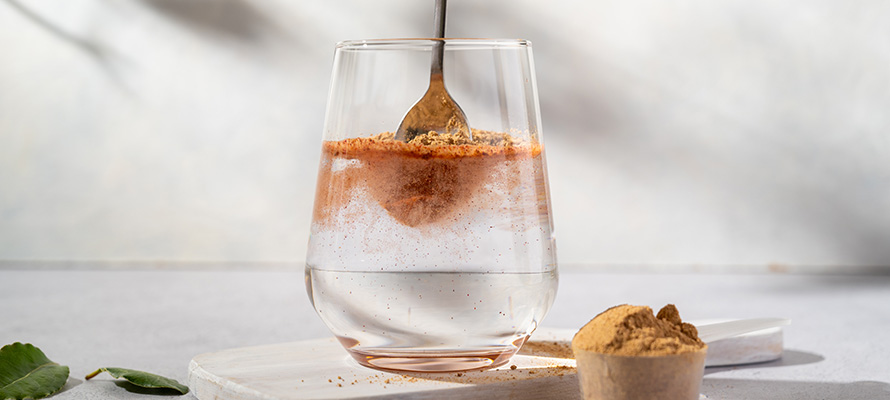
Industrial applications of extracts in food, beverages and supplements
Not only botanical options, but liquid and powdered extracts, in general, can be used in a wide range of food and beverage products, such as bakery and confectionery. Its functions vary according to the type of product and the regulatory category involved. Among the most common applications, the following stand out:
Candy applications:
- Gummies
- Chocolates
- Cereal and protein bars
Savory foods:
- Granola
- Biscuits
- Breads
- Sauces
- Peanut butter
Dairy products and powders:
- Powder supplement
- Powdered drinks
- Tea bags
- Lozenges
Note: We recognize the importance of regulatory compliance in all the markets we serve. As a result, the claims and permissions to use the ingredients may vary according to the requirements of each country. Refer to applicable laws.
Beverages:
- Non-alcoholic: soft drinks, energy drinks, ready-to-drink teas and supplements
- Alcoholic: cocktails, mixed alcoholic beverages (sparkling or still), liqueurs, compound cocktails and aperitifs
These applications show the versatility of extracts in different formats and industrial categories, always considering the technical and regulatory specifications of each product.
Origin, innovation and co-creation: Duas Rodas´ advantages
At Duas Rodas, botanical extracts are developed with full traceability of origin, technical mastery over processes and flexibility to create tailor-made solutions. The selection of reliable suppliers and strict monitoring of the entire production chain ensure the quality, safety, and consistency of ingredients—from farm to industry.
An example of this expertise is in the unit located in Estância (SE), where acerola cherry extracts and dehydrates are produced. The region was strategically chosen because it offers cultivars with high vitamin C content and proximity to orchards, which allows greater agility in the processing and preservation of bioactive compounds, avoiding fruit oxidation.
Duas Rodas also invests in initiatives with a positive impact, such as the sustainable harvesting of native Brazilian fruits, today part of a project that contributes to the regeneration of the Atlantic Forest.
This production chain is made possible in partnership with local cooperatives and values the responsible use of natural resources, promoting the socioeconomic development of the communities involved and delivering ingredients with high added value and differentiated functional properties.
Our portfolio goes beyond ready-made ingredients: we offer co-creation, laboratory tests and technical support to ensure the best performance in its formulation, within the regulatory standards of each country.

Find out how to apply botanical extracts in your industry
Increasingly present in modern formulations, botanical extracts represent a convergence between science, nature and innovation. Its strategic application can add functionality, color, flavor, healthiness and sensory appeal to a wide range of products — from functional drinks to snacks, from supplements to baked goods.
More than ingredients, extracts are versatile tools to meet the demand for clean labels, natural formulations and differentiation at the point of sale. Choosing the right extract, with the right phytochemical profile and the ideal technological process, can transform the performance and value proposition of your product.
If your industry seeks to advance along this path, contact the Duas Rodas team to learn about customized solutions and a complete portfolio of extracts and dehydrated products with high added value.
Regulatory note: We recognize the importance of regulatory compliance in all the markets we serve. As a result, the claims and permissions to use the ingredients may vary according to the requirements of each country. Refer to applicable laws.