



The market for botanical ingredients is experiencing a moment of strong expansion in the United States. According to Grand View Research, the sector was estimated at US$46 billion in 2025 and is expected to exceed US$72 billion by 2033, fueled by growing demand for products with recognizable origin, natural appeal, and wellness benefits.
This transformation accompanies important changes in consumer behavior. Increasingly, food and beverages are evaluated beyond taste or convenience. What is also valued is the transparency of ingredients, the perception of quality and the connection to healthier lifestyles.
In response to this movement, the industry has expanded the use of plants, herbs, plant extracts and other natural compounds in categories such as functional beverages, snacks, desserts, supplements and dairy products.
Thus, ingredients historically used in infusions, traditional preparations and regional food systems are now incorporated into formulations developed with modern extraction, standardization and application technologies.
Following this path, botanical ingredients gain relevance by contributing to the differentiation of products, adding identity, perceived value and several possibilities for innovation. Understanding how this trend evolves and what opportunities it creates for the industry can be decisive for the development of the next generation of food and beverages.
Also read: The new generation of energy drinks: natural, functional, and ready for the new consumer
The growth of the botanical ingredients market in the United States
The expansion of botanical ingredients accompanies a broader shift in consumer behavior. The American market has shown greater interest in products with cleaner compositions, recognizable plant origin and functional benefits associated with daily consumption.
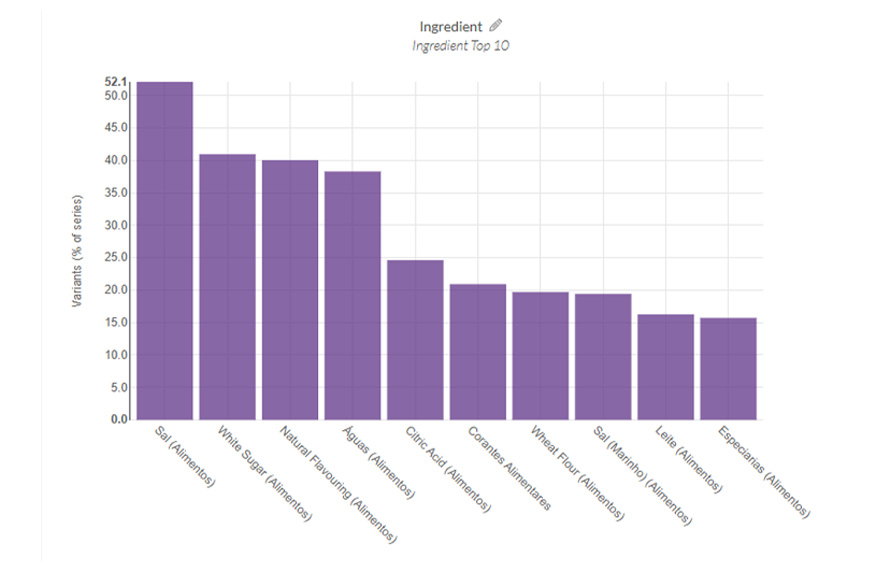
The strength of this movement can also be seen in the pace of market innovation. Mintel data show that in less than a year, more than 20,800 food and beverage launches were recorded in the United States.
Among the ingredients most present in these products, natural flavors appear in approximately 40% of launches, highlighting the growing appreciation of ingredients associated with naturalness and transparency.
Powder and liquid formats remain among the most relevant for the industry, especially for the versatility of application in ready-to-eat (RTD) beverages, powder supplements, functional shots, chilled desserts, dairy products, snacks and many other categories.
Reviving traditions in new product development

At the same time as the industry advances technologically, there is a growing interest in ingredients with history, ancestry and cultural connection.
Mintel highlights this movement within the “Retro Rejuvenation” trend, which points out how global consumers are revisiting food traditions and historical ingredients from a new contemporary perspective.
Instead of seeking only radical innovation, brands start to reinterpret already known cultural elements, combining nostalgia, authenticity and functionality. This helps explain the growth of botanical ingredients associated with traditional practices from different regions of the world, including:
- herbs historically used in infusions
- plant extracts linked to traditional medicine
- amazonian ingredients
- adaptogenic plants
- fruits rich in bioactive compounds
- functional teas and herbs
This shows that the modern consumer is not just looking for a “natural” product. There is a growing interest in ingredients that carry meaning, recognizable origin, and cultural connection.
This appreciation of botanical heritage creates valuable opportunities for brands seeking to develop more authentic and sensorially distinctive products.
Botanical ingredients and the evolution of functionality

Another factor driving the growth of botanical ingredients is the evolving concept of functionality.
For many years, the market associated functional products primarily with traditional supplements or highly technical formulations. Today, functionality is integrated into the everyday consumer experience.
Recent reports from Innova Market Insights show that consumers are increasingly prioritizing foods and beverages associated with health and wellness, creating greater opportunities for natural ingredients and functional nutrition solutions, particularly in categories such as functional beverages, natural energy drinks, mocktails, gut health products, wellness-focused snacks, desserts made with natural ingredients, and clean-label supplements.
How botanical ingredients drive innovation across different categories

The versatility of botanical ingredients enables their application across multiple segments of the food and beverage industry.
Functional ready-to-drink beverages
The beverage segment has established itself as one of the leading drivers of innovation in botanical ingredients. In the United States, demand is growing for categories such as functional beverages and teas, natural energy drinks, mocktails, beverages with adaptogens and products with wellness positioning. This highlights opportunities for differentiation.
Botanical ingredients expand the possibilities for developing beverages that combine naturalness and perceived value. Botanical extracts help create herbal, floral, citrus, and spice flavor profiles, delivering more authentic experiences aligned with the growing consumer preference for recognizable, less artificial ingredients.
Snacks
The snack market has also been incorporating botanical ingredients as a way to add differentiation and perceived value to products. Herbs, natural extracts and plant ingredients contribute both to the construction of flavor and to positions linked to functionality and naturalness.
This movement can already be observed in applications such as savory snacks, functional bars, protein snacks, vegetable chips and seasoned nuts, categories that seek to balance convenience, healthiness and more sophisticated sensory experiences.
A way to reinforce attributes of authenticity, naturalness and sensory innovation in the category, with factors increasingly valued by the consumer.
Dairy and desserts
The dairy and dessert segment has been expanding the use of botanical ingredients as a way to create more sophisticated and differentiated experiences.
Floral, herbal, and botanical notes are gaining prominence in applications such as functional yogurts, refrigerated desserts, mousses, and indulgent products with a wellness appeal.
This accompanies the consumer’s search for proposals that balance flavor and healthiness in the same category.
Dietary supplements
In the supplement market, botanical ingredients are gaining traction primarily in formulations designed to support energy, focus, immunity, relaxation, digestive health, and performance.
The American consumer shows growing interest in standardized natural ingredients, with traceability and associated with daily well-being.
In this scenario, in addition to the natural appeal, factors such as quality, consistency and technical support become increasingly relevant for the development of products that are more competitive and aligned with market expectations.
Also read: Botanical extracts and their applications in food, beverages and supplements
The importance of standardization and traceability
As the market for botanical ingredients evolves, so does the need for greater control over the quality of what is produced. The industry now faces challenges related to stability, standardization of active compounds, agricultural variability, traceability, regulatory security and application performance.
Therefore, the search for partners capable of supplying natural ingredients with technical support, strict production control and greater predictability in the formulation is growing.
Based on this, the standardized extracts gain relevance by contributing to the repeatability between batches, functional stability, application safety and sensory consistency.
This level of control becomes even more important in functional applications, where small variations can directly impact the performance, taste, and positioning of the final product.
Also read: The most accessed content on the Flavors & Botanicals Blog in 2020
Fruittion Botanicals: the best of nature, translated into performance and functionality
With 100 years of history, DR Flavors & Ingredients combines tradition, technology, and innovation to develop ingredients that meet the needs of the global food, beverage, and nutraceutical industries. With a presence in more than 70 countries, we transform biodiversity and knowledge about natural raw materials into solutions that combine quality, consistency and technical performance.
This expertise is also present in Fruittion Botanicals, our platform developed to transform the botanical wealth of Latin America into natural ingredients with controlled origin and high performance.
The portfolio is the result of a structured value chain, with close relationships with producers, adoption of good agricultural practices and attention to traceability and quality control from source.
The line brings together botanical extracts and dehydrated ingredients obtained from raw materials such as açaí, guarana, hibiscus, coffee, yerba mate, acerola, blueberry, jabuticaba and other species recognized for their bioactive compounds and functional properties. The options include different formats and solutions developed to meet the specific needs of each project.
In addition to the diversity of ingredients, Fruittion Botanicals offers standardized options for compounds of interest, such as natural caffeine, polyphenols, anthocyanins and vitamin C, providing greater predictability, consistency between batches and safety in the development of formulations.
The ingredients of the line can be used in foods, beverages, dietary supplements and nutraceuticals, contributing to projects that seek naturalness, functionality and differentiation.