




Consumers have stopped buying supplements. They are buying food that works. This statement sums up what became most evident at Naturaltech 2026, and it is reflected in actual products, not projections.
Risotto with 20 grams of protein, preservative-free protein ciabatta, prebiotic soda, banana bars with creatine, and brown rice and bean snacks. The diversity of products and trends at Naturaltech 2026 reveals a functional food market that is increasingly integrated into everyday food choices.
Protein, fiber, creatine, prebiotics, vitamins and bioactive compounds continue to drive new product launches. What is new is the variety of categories, formats and consumption occasions in which these components appear. Meals, carbonated beverages, savory snacks, breads, pasta, teas and foods inspired by Brazilian culture now incorporate attributes previously found primarily in supplements.
This was one of the main insights identified by Augusto Ichisato, a food engineer and founder of FoodBrasil, who was invited by DR Flavors & Ingredients to provide exclusive technical coverage of Naturaltech 2026 —, Latin America’s largest event dedicated exclusively to natural products. Over four days, he photographed, tasted and analyzed more than 104 products, including launches evaluated as part of the WELLNOW Awards.
Based on this analysis, we identified the main trends from Naturaltech 2026 and the key areas that warrant the attention of research and development, innovation, and procurement teams in the food and beverage industry.
Naturaltech 2026: an overview of the main trends

Held from June 10 to 13 at Distrito Anhembi in São Paulo, the 20th edition of Naturaltech brought together 63 thousand visitors from 53 countries and 800 exhibiting brands, and featured more than 1,500 product launches and over 100 hours of programming.
Figures published on Naturaltech´s official website help demonstrate the event’s importance to the Latin American market for natural, organic, healthy and functional products.
The fair also provides an opportunity to observe trends at a tangible stage of development. Rather than distant projections, the booths showcase products that have already been formulated, manufactured and commercially positioned.
This makes the event an important source for assessing how consumer demands are being translated into ingredients, technologies, packaging and new value propositions.
In Augusto Ichisato’s coverage, the recurrence of certain attributes across different categories revealed consistent trends.
Functionality incorporated into everyday foods, the diversification of protein formats, the rise of prebiotic beverages, advances in clean-label products and the technical appreciation of Brazilian ingredients were among the highlights.
Going beyond the analysis of ingredients in isolation, an examination of the new products shows how flavor, texture, convenience, stability and communication contribute to the development of functional products with the potential to become part of consumers’ daily routines.
Functional foods gain ground in everyday consumption: the main categories
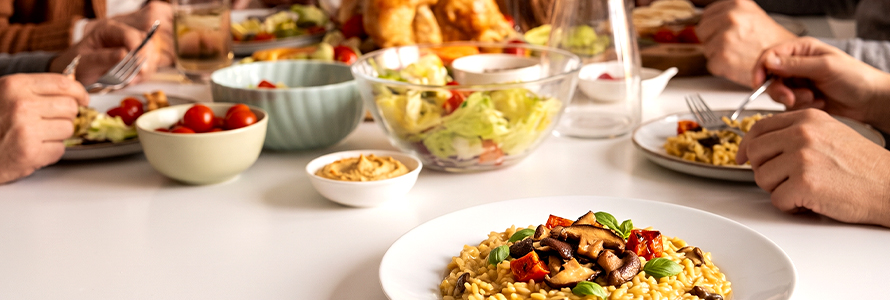
For many years, powdered supplements, capsules, sachets and bars accounted for a large share of products featuring protein, creatine, fiber and other functional ingredients.
These formats remain relevant but now share the market with foods and beverages that consumers recognize as part of a meal, snack or hydration occasion.
Naturaltech 2026 showed that functionality can be delivered through familiar formats capable of preserving important rituals and sensory cues.
For consumers, this means gaining access to specific benefits without always having to set aside a separate occasion for supplementation. For the industry, this opens up a broad field for product development, accompanied by additional formulation and processing challenges.
Meals that combine nutrition, convenience and familiarity
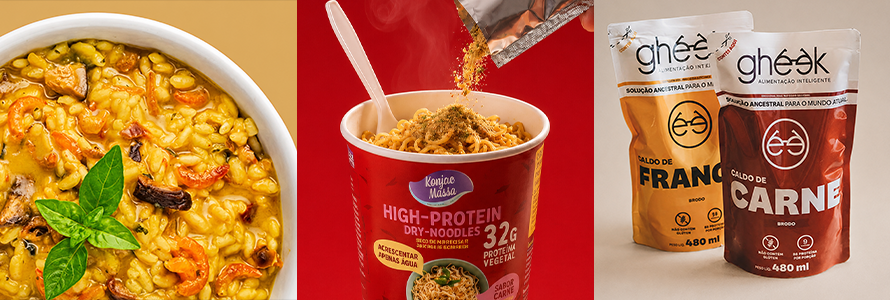
One of the examples identified during the event coverage was Holyfoods’ risotto, made with Arborio rice, shiitake mushrooms and dried shrimp. A 120-gram serving provides 20 grams of protein, and the product comes in a cup format for easy preparation.
The technical appeal of this product lies in its combination of a familiar dish, added protein and convenience. Consumers get the elements associated with a complete meal, such as savory flavor, texture, the use of utensils and a feeling of fullness, in a product suited to busy routines.
Konjac Massas MF also explores a widely familiar category. The brand introduced a glucomannan-based pasta containing viscous fiber and offering reduced carbohydrate content, a gluten-free formulation, and quick-cooking, high-protein varieties. The format reduces the need to introduce consumers to a new consumption ritual because it is based on a meal already incorporated into their eating habits.
Another example is Gheek’s Roti, a concentrated meat broth produced through a 48-hour process. The different varieties provide between 12 and 32 grams of protein. In this case, the functional proposition is associated with both the raw material and the preparation method, highlighting concentration, processing and nutritional composition.
The three products highlight opportunities for ready-to-eat and semi-prepared meals that combine nutrient density, convenience and sensory appeal. However, product development must take into account solubility, rehydration, consistency, ingredient stability and preservation of the flavor profile throughout the product’s shelf life.
Protein snacks: new flavors expand consumption occasions
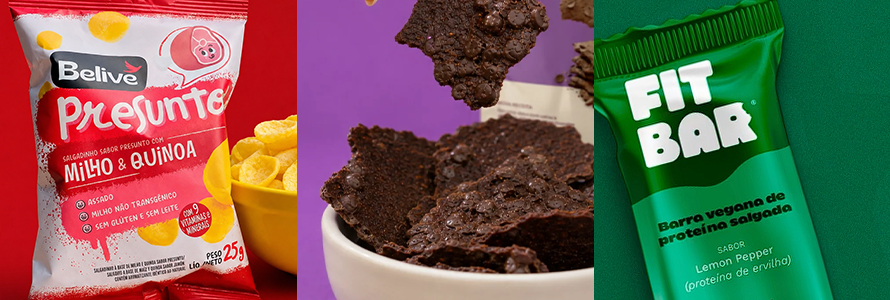
Protein also gained significant ground in savory snacks. Belive, SaltyWay, Fit Bar and Zaya were among the brands featured at the fair, indicating that the category now offers a wide range of products rather than relying exclusively on sweet bars and products containing chocolate or peanut butter.
Belive introduced a protein snack designed for on-the-go consumption that is gluten-free, lactose-free and contains no added sugar. In addition to its composition, the product uses visual language and a format similar to those of conventional snacks. This familiarity is relevant because purchasing decisions involve expectations regarding flavor, crunchiness and convenience even before consumers closely examine the nutrition facts panel.
Tia Sônia’s savory granola, available in French and Northeastern Brazilian flavors, further expands the range of potential applications. The product can be paired with salads, soups, snacks and meals, creating consumption occasions beyond those traditionally associated with sweet granola.
For R&D teams, the growth of savory protein snacks requires close attention to the balance between protein content and sensory quality.
Certain protein sources may affect flavor, hardness, expansion, crispness and aftertaste. The selection of flavors, seasonings, texturizing agents and processing parameters must take these interactions into account from the earliest stages of product development.
Protein beverages require technical precision in formulation
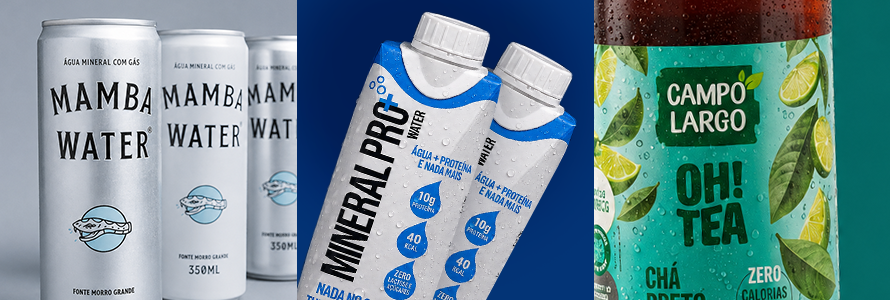
Mamba Water, Mineral Pro, and Campo Largo’s Oh!Tea demonstrated how protein and other functional attributes are also making their way into everyday beverages. The ready-to-drink format offers convenience and can reach consumers who do not identify with traditional shaker-based preparation.
Incorporating protein into a beverage, however, requires strict control. Solubility, turbidity, precipitation, sedimentation, astringency, and aftertaste can compromise consumer acceptance. Protein behavior also varies depending on pH, heat treatment, interactions with minerals, the presence of other ingredients, and storage time.
The amount declared on the label, therefore, represents only one aspect of product development. The formulation must maintain homogeneity, stability, and a pleasant sensory experience throughout its shelf life. The type of packaging and distribution conditions also influence this outcome.
Also read: Bitters for beverages: how bitterness is transforming the sensory experience
Creatine: more convenient formats enter the market
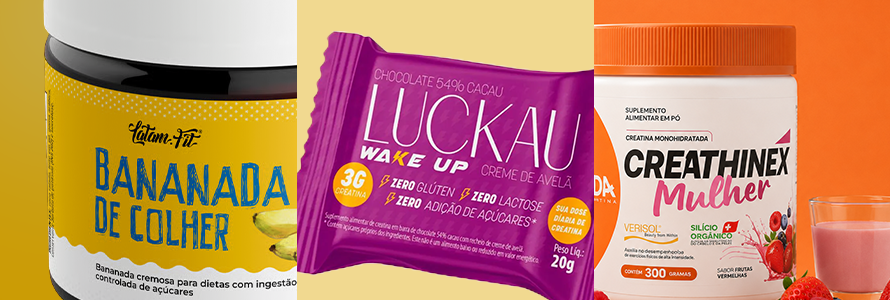
Creatine was featured in applications beyond the traditional powder format. Latamfit presented a banana snack with creatine, while Luckau showcased Wake Up, a product that incorporates the active ingredient into a format with a defined flavor and consumption occasion.
ADA’s Creathinex Mulher combined creatine with Verisol® collagen, organic silicon, hyaluronic acid, and vitamins in a formulation targeted at women. The launch also reflects a move toward segmentation by needs and life stages, a trend observed in other areas of the fair.
Incorporating creatine into foods increases convenience but requires careful analysis of the selected matrix. Stability, dosage, distribution uniformity, moisture, acidity, and processing conditions can affect the ingredient and the consistency of the final product.
The combination with multiple functional ingredients must also have a clear purpose, technical compatibility, and responsible communication.
Prebiotic soft drinks combine digestive health and enjoyment
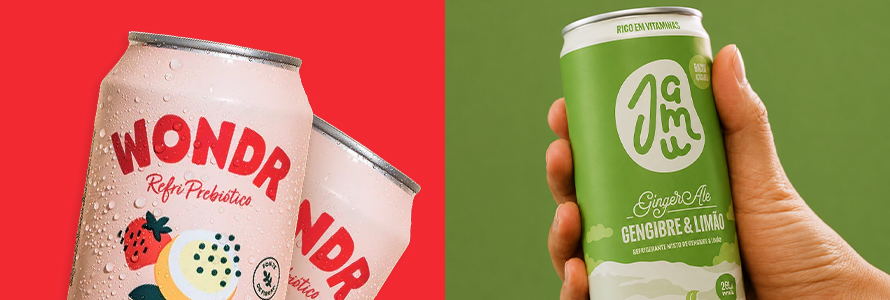
Wondr and Beba Jamu presented prebiotic soft drinks with clearly defined propositions. Wondr directly embraces the concept of functional soda, while Beba Jamu offers a prebiotic ginger ale with vitamin C. Both brands came to the fair with their products, brands, and consumption propositions already established. This is not a projection of what may emerge, but a category that is already gaining momentum in Brazil.
These launches bring digestive health benefits to a refreshing carbonated beverage suitable for social settings and occasions when consumers would normally choose a soft drink. This combination can encourage trial, provided that the functional proposition does not compromise flavor or make the consumption experience overly technical.
Adding fiber to acidic, carbonated beverages involves challenges related to dispersion, stability, viscosity, sweetness, and mouthfeel. The choice of fiber type and amount should also take into account gastrointestinal tolerance and compliance with the regulatory requirements applicable to claims.
Carbonation, flavors, and the acidity profile need to work together in a balanced way. A relevant functional benefit does not compensate for an inadequate sensory experience, particularly in a category characterized by clear expectations of refreshment and enjoyment.
Clean label: what changes in food formulations

The demand for formulations perceived as simpler and more recognizable remains important, but the launches at Naturaltech 2026 highlight a broader understanding of the concept. The focus is not solely on removing or replacing ingredients.
Processing, packaging, microbiological control, logistics, and shelf life all directly affect the feasibility of a clean-label proposition. In other words, consumers want the industry to do much more to make it look like it did less.
Leviassa presented a preservative-free protein ciabatta. For a product like this to maintain safety, flavor, and texture throughout its shelf life, the industry needs to combine formulation, thermal processing, and packaging technology. Packaging plays an active role in preservation and is integrated into product development from its earliest stages.
Nobars was also featured in the coverage in connection with the demand for shorter ingredient lists and solutions that require careful attention to performance throughout shelf life. The lower the use of conventional preservatives, the greater the need may be for control over water activity, oxygen exposure, packaging barrier properties, temperature, industrial hygiene, and process variations.
This increases the responsibility of the teams involved. Procurement needs to evaluate not only the name and origin of ingredients, but also their consistency, functionality, and interaction with the overall system. R&D needs to validate safety and stability without compromising sensory characteristics.
Production and quality must ensure that the results obtained on a pilot scale can be replicated in an industrial setting.
Clean label, therefore, requires integration across different areas. A leaner formulation remains competitive only when it offers a shelf life compatible with the operation, microbiological safety, industrial performance, and sensory quality throughout the entire marketing period.
Brazilian ingredients take center stage in functional formulations
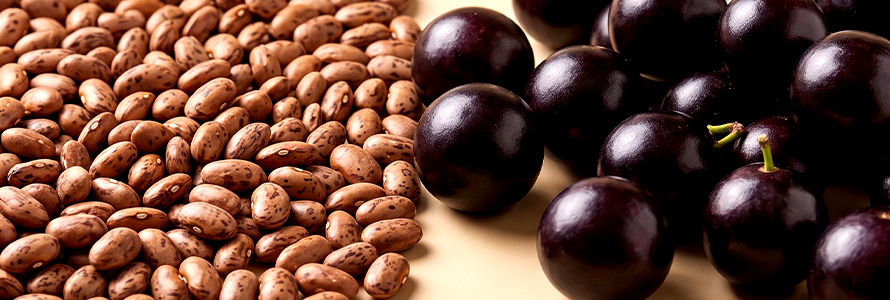
Biodiversity and Brazilian food culture are frequently featured in marketing materials for natural products. At Naturaltech 2026, several new products advanced the practical application of these elements, incorporating local raw materials, flavors, and customs into the very structure of the formulation.
Glulac introduced a snack bar made with beans and brown rice—a combination deeply rooted in Brazilian cuisine—in a portable snack with 96 calories and no preservatives. The product translates a familiar everyday food into a new texture and a consumption occasion that fits into routines away from home.
Sabarabuçu introduced jabuticaba jam and soda, featuring this Brazilian fruit in different product categories. Devi showcased teas and functional products made with Brazilian herbs.
Weshot also incorporated elements of local identity into offerings tailored to specific consumer needs.
These examples show that origin can contribute simultaneously to flavor, narrative, differentiation, and functionality. To achieve this result, the industry needs to understand the raw material beyond its regional appeal.
Seasonal variations, compound concentrations, sensory profile, stability, traceability, and supply capacity influence its application at scale.
Standardization is particularly important when the ingredient is associated with bioactive compounds or a specific claim. Maintaining consistency between batches provides greater predictability for formulation and reduces variations in color, aroma, flavor, and performance.
The technically structured use of Brazilian ingredients also helps create products with their own distinct identity. Instead of copying international trends, brands can develop solutions tailored to the habits, tastes, and raw materials available in the country.
Teas and functional mushrooms: new possibilities

The 28 tea exhibitors made up the largest group among the beverage exhibitors at Naturaltech 2026. Brands such as AbChá, Charoma, Tea Shop, Talchá, Moncloa, Leão, and Felicitea showcased the diversity of a category already familiar to the Brazilian public.
This familiarity opens the door to expanding attributes and occasions. Brazo and MUD presented proposals that link tea to adaptogens and other functional ingredients.
Ready-to-drink beverages, carbonated versions, formulations with prebiotics, and combinations tailored to different times of the day also represent potential avenues for innovation.
Any expansion of functionality must preserve the sensory identity of the category. Active compounds can add bitterness, astringency, cloudiness, or residual flavors. The selection of bases, extracts, flavors, and sweetening systems should preserve the tea’s character and provide an experience consistent with consumer expectations. A lot of innovation fails precisely there: by trying to add more functionality, it loses the charm that justifies the ritual.
Functional mushrooms also made an appearance at the fair through brands such as Musshin, Empório Fit, and Kote Skincare. Ingredients such as Lion’s Mane, Cordyceps, and Reishi are gaining popularity, often added to coffees and teas—rituals that are already part of people’s daily routines.
This category still requires consumer education and transparency. The origin of the ingredient, whether the fruiting body or mycelium is used, the extraction method, and the concentration and standardization of beta-glucans are all factors that affect quality. In applications, control of bitterness, dispersion, and precipitation directly affects acceptability and stability.
Custom formulations: functional foods for specific needs

The coverage of products and trends at Naturaltech 2026 also highlighted formulations tailored to the more specific needs of female consumers.
In addition to Creathinex Mulher, Ovacare introduced a combination of myo-inositol, folic acid, and vitamin D in once-daily sachets, marketed for ovarian health and polycystic ovary syndrome. Ponto Água Beleza brought a portable drink containing hydrolyzed collagen, vitamin C, and biotin.
This trend reflects a greater focus on the product’s composition, dosage, and the life stage for which it is designed. Generic marketing messages that rely solely on visual cues associated with the female demographic tend to offer little differentiation to female consumers who are seeking clearer information and benefits that align with their needs.
For the industry, segmentation requires technical expertise, regulatory responsibility, and careful communication. The selection of each ingredient must take into account its purpose in the formulation, compatibility with the other components, stability, and supporting evidence for the claims made.
Another trend identified at the fair was the development of proposals related to dietary changes associated with the use of GLP-1 medications. PINC Bar appeared among products positioned specifically for this audience, indicating that a trend already observed in other markets is beginning to influence product formulations and communication strategies in Brazil.
This opportunity requires technical and regulatory caution, especially when defining the nutritional composition and communicating benefits, to avoid any undue association between the food and medical treatment.
For these formulations, the consumer experience remains relevant. Products designed to meet specific needs must also offer great taste, convenience, ease of preparation, and formats that fit into people’s daily routines. These factors influence adherence and repeat purchases just as much as the product’s functionality.
Also read: What is the impact of GLP-1 medications on the food industry?
What Naturaltech 2026 trends mean for food and beverage R&D

When the products are analyzed as a whole, three categories stand out: functional meals, prebiotic soft drinks, and savory snacks containing protein or fiber. They combine benefits valued by consumers in familiar formats that offer recurring consumption occasions.
At the same time, these trends increase the complexity of projects. The inclusion of a functional ingredient affects various characteristics of the matrix, while clean-label approaches can shift some of the technical requirements to processes, packaging, and industrial controls. Turning an idea spotted at the fair into a viable product requires a holistic approach.
Functionality and flavor: why they need to be developed together
Proteins, fiber, botanical extracts, mushrooms, and minerals can alter flavor, aroma, sweetness, astringency, and aftertaste. Sensory work should not be treated merely as a correction made at the end of the project.
The selection of the functional ingredient and the development of the flavor profile must proceed in a coordinated manner. Flavors, modulators, masking agents, sweetness systems, and seasonings can help balance unwanted notes, preserve the category’s identity, and create an experience consistent with the product’s concept.
Texture and stability: the technical challenges that define feasibility
An increase in protein content can affect viscosity, expansion, tenderness, and solubility. Fiber can affect body, water absorption, and digestive tolerance. Plant extracts can affect color, astringency, and stability during storage.
Each matrix responds differently. A solution that works well for beverages may not perform as well in bread, snacks, or ready-to-eat meals. Application tests, shelf-life studies, and sensory evaluations are essential for understanding these interactions before full-scale production.
Convenience depends on technical performance in formulation
Ready-to-drink products, quick-preparation cup products, portable snacks and individual sachets must perform well under real-world consumption conditions. Incomplete rehydration, clumping, sedimentation, loss of crispness, or packaging that is difficult to use diminish the value of the promised convenience.
The format should be evaluated in conjunction with the formulation, process, and packaging. This integration helps ensure ease of use without compromising safety, quality, or sensory perception.
Ingredient selection and industrial scale-up: the challenge of large-scale production
For procurement and R&D, the availability of ingredients must be analyzed in conjunction with standardization, traceability, technical documentation, and supply capacity. A unique raw material only becomes a viable industrial option when it maintains consistent quality and performance across batches.
Scaling can also alter characteristics obtained in the laboratory. Mixing time, shear, temperature, the order of addition, and available equipment all influence the result. The involvement of suppliers with application expertise helps anticipate risks and reduce the need for adjustments during industrial scale-up.
From Naturaltech 2026 to the final product: how to transform a trend into a viable formulation
Events like Naturaltech allow us to see how consumer trends translate into actual products. The 2026 edition featured a more diverse range of functional products, incorporated into meals, beverages, snacks, and other categories that are part of everyday life.
The exclusive report by Augusto Ichisato for DR also highlighted that protein, fiber, creatine, and prebiotics remain important, but they share the spotlight with equally important factors: flavor, texture, convenience, stability, identity, and clarity of purpose.
For the industry, the opportunities lie in the ability to develop these attributes in a coordinated manner. A functional product must deliver the intended composition, withstand processing conditions, maintain performance throughout its shelf life, and provide an experience that encourages its inclusion in daily routines.
At DR, we monitor market trends and work alongside R&D teams to develop solutions applicable to different categories. Our century of experience in flavors, ingredients, botanical extracts, and technologies for food and beverages enables us to support projects from the definition of the sensory profile through to challenges related to stability, texture, and industrial performance.
The trends at Naturaltech 2026 offer a valuable resource for new projects. Turning them into consistent products requires technical expertise, market insight, and collaborative development.
Talk to our experts and find out how we can help you take the next steps with your portfolio.