


The beverage market is undergoing a major transformation. After years dominated by sweeter flavor profiles and formulations focused on immediate refreshment, interest is growing in more sophisticated, complex, and sensorially refined experiences.
Reflecting this shift, bitterness is once again taking center stage, expanding the role of bitters in beverages as key ingredients for creating more balanced, layered, and distinctive flavor profiles.
Driven by the revival of classic cocktails, the rise of premium mocktails, and the evolution of consumer palates, the world of bitters and concentrated botanical extracts is expanding the possibilities for innovation in both alcoholic and non-alcoholic beverages.
Today, bitterness is no longer viewed simply as a sensory contrast, but as a tool for building flavor identity, aromatic depth, and a lasting taste experience. Read on to discover new opportunities for R&D teams to develop beverages with greater flavor complexity and sensory differentiation.
Also read: 2026 food trends: what will drive innovation in the Food and Beverage Market
The return of bitterness in contemporary beverages

Bitterness is one of the five basic tastes and plays a fundamental role in the sensory balance of beverages. When properly balanced, it helps modulate sweetness and acidity, enhances aromatic persistence, and adds layers of flavor that make the drinking experience more sophisticated and memorable.
For many years, much of the industry has prioritized sweeter and more accessible sensory expression. However, evolving consumer preferences have begun to reshape this landscape. Consumers have shown growing interest in beverages that are less sweet, more complex, and associated with premium, adult-oriented drinking experiences.
This shift in consumer preferences has been directly influenced by the resurgence of classic cocktail culture, the growing interest in culinary experimentation, and the increasing appreciation for botanical ingredients.
Consumers are moving “beyond sweet and salty,” seeking more herbaceous, bold, and multifaceted flavor profiles. This shift is creating new opportunities for the naturally bitter compounds found in aromatic botanicals, which have become associated with flavor sophistication, authenticity, and sensory complexity.
Ingredients such as gentian, wormwood, cinchona, quassia, and bitter orange are once again gaining prominence in aperitifs, spirits, and beverages inspired by classic mixology.
The growth of the bitters market itself reinforces this trend. Euromonitor data show continued growth in the Brazilian bitters market, with projected CAGR of 3.9% in volume and 7.4% in value between 2025 and 2029.
Bitterness now plays a strategic role in creating premium, well-balanced beverages with a more distinctive sensory signature.
Also read: Non-alcoholic beverages: innovation, well-being and convenience drive a changing market
How mocktails and mixology are driving the growing appreciation of bitters in beverages

The growth of cocktail culture has had a direct impact on the growing appreciation of bitters. Classic cocktails such as the Negroni, Old Fashioned, Martini, Manhattan, and Aperol Spritz have helped popularize more complex, herbal, and bitter flavor profiles, influencing both bars and the ready-to-drink (RTD) beverage industry.
Today, this influence extends well beyond alcoholic beverages. The rise of premium mocktails has transformed the way non-alcoholic beverages are developed. “Sober-curious” consumers are seeking sophisticated, adult-oriented drinking experiences without sacrificing aromatic depth or a well-crafted sensory expression.
Within this growing demand, bitters play an essential role. After all, an overly sweet non-alcoholic beverage tends to overwhelm the palate quickly, reducing both consumer appeal and repeat consumption. Bitterness helps create balance, enhances flavor persistence, and delivers a more refined sensory expression.
One example is the Phony Negroni, a non-alcoholic reinterpretation of the Italian classic that preserves the original cocktail’s signature bitter, complex profile through the use of bold botanicals and alcohol-free alternatives.
Premium Ready-to-Drink (RTD) Beverages
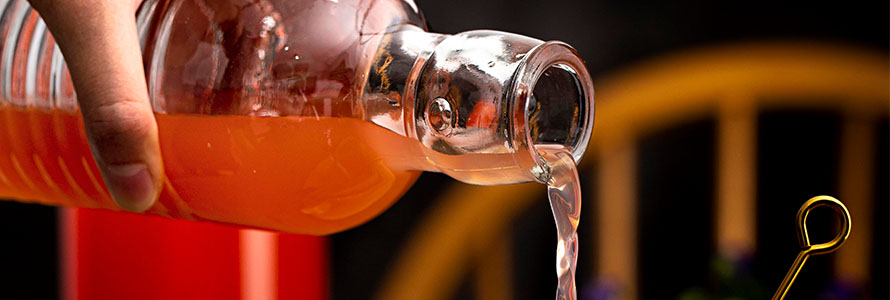
Ready-to-drink (RTD) beverages have evolved from products focused solely on convenience into offerings with greater culinary appeal and sensory sophistication. Flavor profiles inspired by classic cocktails, botanical combinations, and less sweet formulations are gaining traction across the segment.
The alcoholic RTD beverage market also continues to grow, driven by consumer demand for convenience paired with sophistication.
Botanical aperitifs
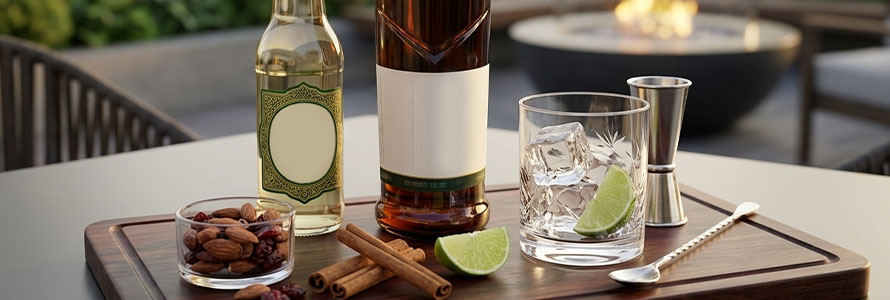
Beyond RTDs, global interest is also rising in aperitifs inspired by vermouths, amari, and herbal beverages. These products combine bitter, spicy, citrus, and woody notes to create more complex, gastronomically inspired flavor profiles.
Hybrid drinks
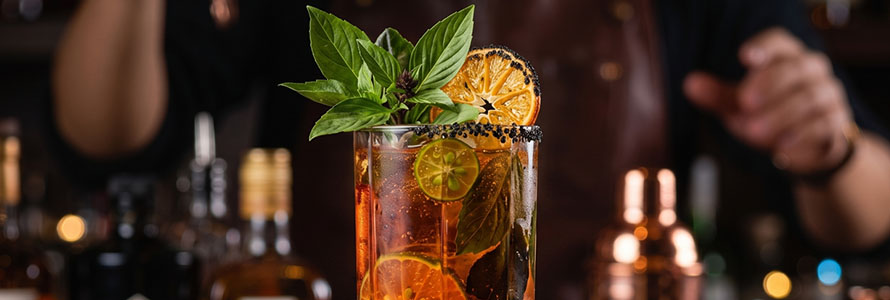
Formulations that combine botanicals, fruits, spices, and alcoholic components expand opportunities for innovation while creating more distinctive and unconventional sensory experiences.
Also read: The new era of mocktails: Sophisticated, premium non-alcoholic beverages
The role of bitters in the sensory construction of beverages

Bitter doesn’t just act as a source of bitterness. In complex beverages, bitterness serves as a structural element of the sensory expression, helping to balance sweetness and acidity, extend flavor persistence, and add aromatic depth to formulations.
When applied strategically, bitterness helps create beverages with greater flavor complexity and a more sophisticated sensory experience.
This is especially important in categories designed to deliver more sophisticated, adult-oriented drinking experiences, such as premium mocktails, aperitifs, and RTDs inspired by contemporary cocktail culture.
Another key advantage is that bitters allow developers to fine-tune both the intensity and the sensory direction of a beverage.
Depending on the botanical composition, bitterness can take on more refreshing, herbal, citrus, spicy, balsamic, or woody characteristics, significantly expanding the possibilities for flavor development.
Within our portfolio, this diversity is reflected in flavor profiles that explore a wide range of bitter expressions. For example, Mint Bitter delivers a refreshing minty and herbal profile, while Spicy Bitter emphasizes warmer spice notes complemented by subtle woody nuances.
Orange Bitter, meanwhile, offers refreshing citrus notes with a subtle sweetness, while Dark Bitter delivers a more intense, earthy, and lingering flavor profile.
Botanical ingredients expand opportunities for innovation
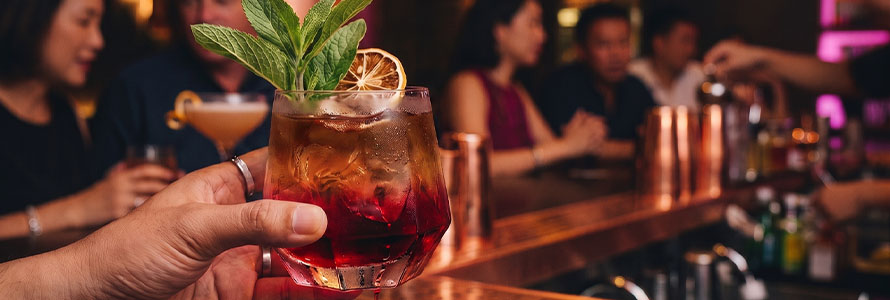
The growing popularity of bitters reflects a broader appreciation for botanicals as a source of differentiation in today’s beverage landscape. Herbal, citrus, woody, and spice ingredients are becoming essential to defining the identity of modern beverage formulations.
This shift expands innovation opportunities for R&D teams, particularly in beverages designed to deliver more distinctive and less standardized sensory signatures. Rather than replicating traditional flavor profiles, beverage developers are increasingly focused on creating more original sensory experiences that explore contrast.
Within this movement, regional botanical combinations also gain relevance. For example, Amazonic Bitter combines woody notes with hints of vanilla and a refreshing finish to create a bold, tropical-inspired flavor profile.
Herbal Bitter, meanwhile, layers herbaceous notes with subtle spice nuances over a woody base.
Also read: Botanical extracts and their applications in food, beverages and supplements
Opportunities for R&D in beverage development
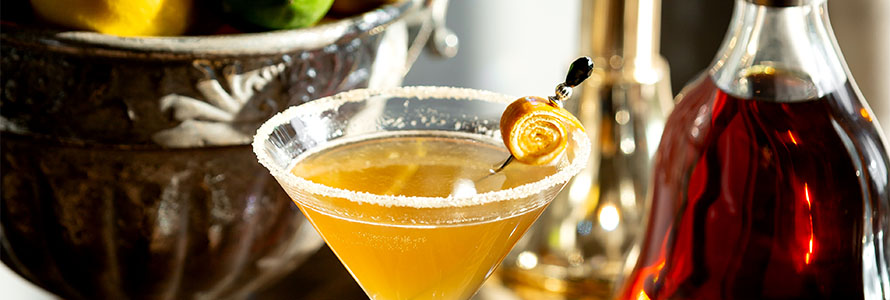
The evolution of contemporary cocktail culture and premium mocktails is creating opportunities for less standardized beverages with a more distinctive sensory signature.
Bitters expand formulation possibilities by enabling more balanced flavor profiles that are less dependent on excessive sweetness and offer greater flavor depth.
This creates valuable opportunities across categories such as botanical aperitifs, premium RTDs, mixed alcoholic beverages, and mocktails inspired by classic mixology.
It also supports the development of more gastronomically inspired products, where spice, herbal, citrus, and woody notes play a more prominent role in the overall drinking experience.
Another key advantage is the ability to work with varying levels of bitterness and diverse aromatic profiles within the same category, enabling more segmented product lines and more distinctive consumer experiences.
How our solutions support the development of more sophisticated beverages
Our Bitters Collection was developed to expand the sensory possibilities of both alcoholic and non-alcoholic beverages by exploring different expressions of bitterness through concentrated aromatic herbal extracts.
Featuring profiles that range from herbal, refreshing, and citrus notes to spicy, balsamic, woody, and earthy characteristics, the collection enables the creation of beverages with diverse sensory directions and greater aromatic character.
The Bitter Signature Collection showcases how these profiles can be applied in contemporary formulations, exploring contrast, depth, and flavor identity across a wide range of beverage applications. Explore our full portfolio and contact our experts.