


For the food and beverage industry, immune health remains a relevant wellness platform, particularly in functional product categories. In the United States, this interest is part of a broader search for wellness solutions and products that combine nutritional benefits, convenience, and ingredients with recognizable origins.
Recent data on the beverage market reinforces this trend. According to an analysis published by the Institute of Food Technologists using Circana data, products with immune health claims posted the largest value gains among functional beverages in the United States over the three years analyzed.
At the same time, naturalness, transparency about ingredient origins, and formulations aligned with clean label strategies are influencing new product development.
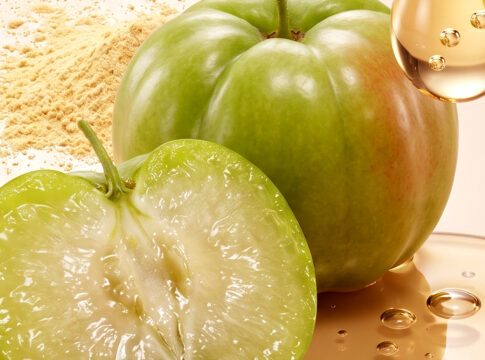
This is where acerola becomes especially relevant. Recognized as one of the richest natural sources of vitamin C, acerola offers the industry a plant-based option for developing functional foods, beverages, and supplements. The fruit also contains other nutrients and bioactive compounds, including phenolics and carotenoids.
Also read: Gut health: what’s behind the new generation of beverages and supplements?
Why is demand for natural vitamin C still growing in the United States?

The global functional food and beverage market continues to grow rapidly, driven primarily by platforms focused on immune health, digestive health, sports nutrition, and overall well-being.
According to Custom Market Insights, the sector generated US$ 145.3 billion in 2025 and is projected to reach US$ 278.9 billion by 2034, growing at an average annual rate of 7.3%. North America remains the leading region in this market.
Vitamin C is growing along with the market and appearing in an expanding range of food and beverage categories. According to Market Research Future, the global vitamin C market is projected to grow from US$ 2.3 billion in 2025 to US$ 3.7 billion in 2035, driven primarily by its wide range of applications in supplements, food, and beverages.
Strong public awareness of health, particularly the antioxidant and immune health benefits of ascorbic acid, makes the United States the leading country in North America, accounting for approximately 25% of the global vitamin C market.
Demand tends to become even more significant during the colder months in the Northern Hemisphere, a period traditionally associated with immune support and seasonal wellness strategies.
As a result, manufacturers are developing products that combine immune support and antioxidant protection with broader everyday wellness benefits.
This trend is creating more opportunities for ingredients that deliver functionality while meeting the growing demand for naturalness, traceability, and formulations aligned with clean label strategies.

In North America, the share of juice and nectar launches featuring functional claims rose from 17% in 2020/2021 to 23% between March 2024 and February 2025.
In the United States, immune support benefits already feature in 9% of the categories analyzed, and their presence continues to grow.
In addition, there is a strong synergy in product formulation: 27% of global product launches focused on digestive health also highlight immune support, reflecting consumers’ search for integrated functional solutions.
Source: Mintel
Also read: Clean label on animal protein: how we unite transparency, performance and innovation
What makes acerola extract a unique source of natural vitamin C?

Among commercially available fruits, acerola stands out as one of the richest natural sources of vitamin C.
Depending on the variety, stage of ripeness, and processing conditions, acerola can contain 1,500 to 4,500 mg of ascorbic acid per 100 g of fresh fruit, about 50 to 100 times the amount found in citrus fruits such as oranges and lemons.
This high vitamin C content, together with the fruit’s naturally occurring nutrients and bioactive compounds, has significantly increased industry interest in acerola-based food applications as a natural source of functional and health benefits.
More than just ascorbic acid
Synthetic and naturally sourced vitamin C are chemically identical. The difference with a natural source is not a different or necessarily superior molecule, but the fact that vitamin C is naturally present in a more complex plant matrix.
In acerola, ascorbic acid is accompanied by other compounds naturally present in the fruit. However, the composition of commercial extracts depends on the characteristics of the raw material, the processing method, and each ingredient’s specifications. Therefore, it cannot be assumed that all extracts fully retain the same profile as fresh acerola.
Key components naturally found in acerola include calcium, iron, magnesium, potassium, phosphorus, zinc, vitamin A, B vitamins, anthocyanins, and flavonoids. Together, they contribute to a broader nutritional profile that aligns with growing demand for food-based ingredients.
The role of compounds naturally present in acerola
Studies indicate that minerals, fiber, and phytochemicals naturally present in foods may affect vitamin C bioavailability. Among these compounds, flavonoids are being studied for their potential role in this process.
In a study conducted by Eri Uchida and colleagues and published in the scientific journal Biological and Pharmaceutical Bulletin in 2011, researchers compared the bioavailability of ascorbic acid administered alone with that of vitamin C naturally present in acerola juice.
The results showed greater plasma absorption and lower urinary excretion of ascorbic acid when consumed in the fruit’s natural matrix than when the vitamin was administered alone.
For the food and beverage industry, these characteristics expand formulation possibilities and allow manufacturers to use ingredients that offer more than simple vitamin fortification, adding naturalness, functionality, and perceived value to the finished product.
Also read: Yerba mate, the green jewel of Latin America: a new way of thinking beyond matcha
Functional benefits beyond immune support

Although immune health remains one of the main application platforms for vitamin C, its physiological roles extend to several biological mechanisms relevant to functional foods and beverages.

Epithelial barriers
It supports collagen synthesis and stabilization, which are important for maintaining the structure of these barriers.
Neutrophils and monocytes
It is involved in the functions of these immune cells, including their migration in response to pathogens.
Phagocytosis
It plays a role in mechanisms immune cells use to fight microorganisms.
Antioxidant protection
It helps protect cells and biomolecules from oxidative damage.
According to the National Institutes of Health (NIH) Office of Dietary Supplements, vitamin C plays a role in antioxidant defense, collagen biosynthesis, the production of L-carnitine and certain neurotransmitters, protein metabolism, and the regeneration of other antioxidants, such as vitamin E.
Antioxidant protection and the fight against oxidative stress
The National Institutes of Health (NIH) Office of Dietary Supplements also notes that vitamin C acts as an important physiological antioxidant, helping neutralize free radicals and regenerate other antioxidants, including vitamin E.
In practice, this mechanism helps protect cells from oxidative damage associated with normal metabolism and exposure to environmental factors such as pollution and ultraviolet radiation. This benefit is increasing industry interest in ingredients associated with cellular protection and overall well-being.
Collagen formation and cellular protection
The NIH also highlights vitamin C’s role in collagen biosynthesis. Collagen is essential to the structure and maintenance of tissues such as skin, blood vessels, cartilage, tendons, and bones.
This physiological role broadens the opportunities to use vitamin C in health and wellness products, particularly those associated with maintaining tissue structure and integrity.
Energy metabolism and how the body functions
In addition to its antioxidant role, vitamin C is involved in the biosynthesis of L-carnitine and certain neurotransmitters, as well as in protein metabolism.
These mechanisms are linked to energy metabolism, cellular function, and key physiological processes, broadening vitamin C’s potential applications across functional food and beverage platforms.
Iron absorption and nutritional support
In addition to the functions described by the NIH, the Linus Pauling Institute highlights vitamin C’s role in the intestinal absorption of nonheme iron, increasing its bioavailability and helping the body use it.
For the food and beverage industry, this characteristic expands the possibilities for developing formulations that combine multiple nutritional benefits in a single product.
Also read: 2026 food trends: what will drive innovation in the Food and Beverage Market
Where does acerola extract fit in the functional food and beverage industry?

The growth of the functional food and beverage market is creating more opportunities for ingredients associated with immune support, antioxidant protection, and overall well-being.
In the U.S. market, categories that combine convenience, health, and functionality account for much of this growth and present significant opportunities for natural ingredients rich in vitamin C.
Functional drinks
Functional beverages remain among the sector’s most dynamic categories, driven by demand for convenient products that support hydration, energy, immune health, and everyday well-being.
Consumers’ familiarity with plant-based ingredients and preference for more natural formulations support the use of natural sources of vitamin C in this segment.
This application also has potential in traditional beverage categories. Acerola ingredients are used to fortify juices and nectars made from other fruits, such as pineapple, papaya, and passion fruit.
Fortified foods
Products fortified with vitamins and functional ingredients are becoming more common across a range of consumption occasions. Cereals, bakery products, dairy products, and ready-to-eat foods offer opportunities for fortification strategies that combine nutritional value with ingredient lists aligned with consumer expectations.
In bakery applications, acerola can also serve a technological function. Ascorbic acid acts as an oxidative dough improver, participating in reactions that help stabilize the gluten protein network.
Comparative tests showed that acerola extract performed as well as or better than synthetic ascorbic acid on the parameters evaluated, including dough stability, degree of softening, loaf volume, crumb structure, and texture. In the tests, the amount of acerola used contained less ascorbic acid than the synthetic version. This suggests that other antioxidant compounds in acerola may also play a role in dough oxidation reactions.
Achieving this performance with a naturally sourced ingredient expands the options for formulations where clean label strategies are desired.
Snacks and bars
The growing consumption of nutrition-focused snacks is increasing demand for ingredients that add functionality without compromising practicality or convenience.
Cereal bars are among the acerola product applications described in the literature, expanding opportunities to develop formulations with naturally sourced vitamin C and functional positioning.
Not all acerola extracts offer the same value

As demand for natural vitamin C grows, consistency becomes just as important as concentration. For R&D and procurement teams, ingredient selection increasingly depends on factors beyond the vitamin C content listed in the technical specification.
Standardization reduces variability
Acerola’s composition varies naturally. The degree of ripeness affects ascorbic acid and phenolic compound levels, while factors such as cultivar, harvest season, rainfall, sun exposure, and stage of ripeness can also alter other components of the fruit.
This natural variability makes analytical testing essential to ensure greater consistency from batch to batch.
Standardizing natural vitamin C content provides greater predictability in formulation, production, and scale-up. For R&D teams, batch-to-batch consistency provides greater control over the performance and specifications of the finished product.
Specific, sensitive, and reproducible analytical methods, such as high-performance liquid chromatography (HPLC) and gas chromatography–mass spectrometry (GC–MS), can be used for this testing.
Origin and traceability strengthen ingredient reliability
Raw material origin and traceability throughout the supply chain are becoming increasingly important for manufacturers operating in global and regulated markets. Tracking the ingredient from agricultural production through processing provides greater supply chain visibility and strengthens confidence in the ingredient.
Certifications support access to global markets
Internationally recognized certifications help meet the requirements of different markets and product categories, support positioning strategies, and facilitate approval and international expansion processes.
The advantage of DR Flavors & Ingredients’ Vitamin-Ace® platform

The Vitamin-Ace® platform was developed to provide the market with standardized natural vitamin C solutions from acerola, combining high active compound concentrations, raw material traceability, and flexibility for a range of food and beverage applications.
Concentrations tailored to formulation needs
Vitamin-Ace® platform extracts are standardized to contain 17% to 40% natural vitamin C from acerola, offering the flexibility to meet different formulation goals, functional positioning needs, and application strategies.
Vitamin-Ace®17
With 17% natural vitamin C, this is the platform’s most widely available version and is used across a range of functional food and beverage categories.
Vitamin-Ace®22
With 22% natural vitamin C, this version is an option for formulations seeking to enhance functional benefits while balancing performance and application versatility.
Vitamin-Ace®25
With 25% natural vitamin C, this version offers a more robust functional profile and high adaptability across different food matrices.
Vitamin-Ace®34
With 34% natural vitamin C, this version is suited to formulations seeking a higher ingredient concentration and stronger nutritional positioning in the finished product.
Vitamin-Ace®40
With 40% natural vitamin C from acerola, this is the highest concentration in the portfolio and one of the highest available worldwide for natural acerola extracts.
The platform also includes organic versions and carrier-free options, ideal for projects aligned with naturalness and clean label trends and the requirements of specific regulatory markets.
Sourced from the world’s largest acerola producer
Brazil is the world’s largest acerola producer, with climatic and agricultural conditions well suited to growing the fruit. Our proximity to the raw material source and oversight of the supply chain give us greater control over ingredient quality, traceability, and consistency.
Certifications aligned with global requirements
The platform was developed to meet international market requirements and holds certifications including Kosher, Halal, Organic, Fair for Life, FSSC 22000, and SMETA, supporting compliance with different commercial and regulatory requirements.
Sustainability integrated into the supply chain
With a focus on sustainability, quality, and value creation throughout the supply chain, the Sustainable Green Acerola Program supports and works with acerola growers in Brazil, promoting responsible agricultural practices and strengthening fair trade.
The initiative is built on three pillars: training and capacity building, sustainability, and financial empowerment. It helps ensure a more secure, ethical supply chain aligned with ESG principles.
Today, the program directly benefits dozens of growers in Northeast Brazil and reinforces our commitment to high-quality acerola from source to finished product.
A strategic opportunity for the next generation of functional foods
The growth of the natural vitamin C market is creating opportunities for ingredients that combine functionality, standardization, and reliability on a global scale.
With traceable sourcing, standardized natural vitamin C content ranging from 17% to 40%, and internationally recognized certifications, the Vitamin-Ace® platform was developed to help the food and beverage industry create products that meet the demands of a market increasingly focused on naturalness and transparency.
For 100 years, DR has transformed knowledge, innovation and technology into solutions that go beyond food, connecting people and strengthening brands around the world.
With operations in eight countries, six manufacturing facilities, six Research and Development Centers, and an Advanced Innovation and Logistics Center in Europe, we combine a global presence with technical expertise to support projects across markets and product categories.
To explore new formulation possibilities with acerola extract and natural vitamin C, contact our specialists and discover how the Vitamin-Ace® platform can help shape the next generation of functional foods and beverages.

Natural, standardized Vitamin C for your application
Discover the Vitamin-Ace® platform and explore acerola solutions with up to 40% natural vitamin C, complete traceability, and global certifications.
Discover Vitamin-Ace®