

'/%3E%3Cpath%20fill='%23b2b2b2'%20d='M241%20382q0%2016%2017%2026%2017%2011%2042%2011t42-11q16-11%2017-26V269H241'/%3E%3Cpath%20fill='%239f7e00'%20d='M241%20379q0%2014%208%2023%209%209%2021%209%2014%200%2021-9%209-9%209-23V269h-59'/%3E%3Cpath%20d='M241%20339v-70h59v110q0%2014-9%2023l-6%205v-68h-15v72q-8%200-14-4v-68zm59%2040c0%2022%2015%2032%2029%2032%2021%200%2030-18%2030-32v-40h-59'/%3E%3Cpath%20fill='%239f7e00'%20d='M266%20277v5h2v12h-3v-5h2v-5h-9v5h2v5h-4v9h3v18h-5v10h34v-10h-5v-18h3v-9h-4v-5h2v-5h-9v5h2v5h-3v-12h2v-5zm42%20101q0%2010%206%2017%206%206%2015%207%2010-1%2016-7%206-7%206-17v-29h-43'/%3E%3Ccircle%20fill='%230044ad'%20cx='329.5'%20cy='372'%20r='6'/%3E%3Cellipse%20fill='%230044ad'%20cx='300'%20cy='340'%20rx='16'%20ry='21'/%3E%3C/svg%3E)
The global market for functional beverages and ingredients is undergoing a major transformation. Among the protagonists of this movement are two green jewels from distinct origins: matcha, the emblem of Japanese tradition that has captivated consumers worldwide, and yerba mate, an authentic Latin American ingredient emerging as a natural, functional, and culturally rich alternative.
In this article, we explore how yerba mate can consolidate its position as a standout option amid the growing demand for functional and innovative beverages.
The Global Matcha Boom

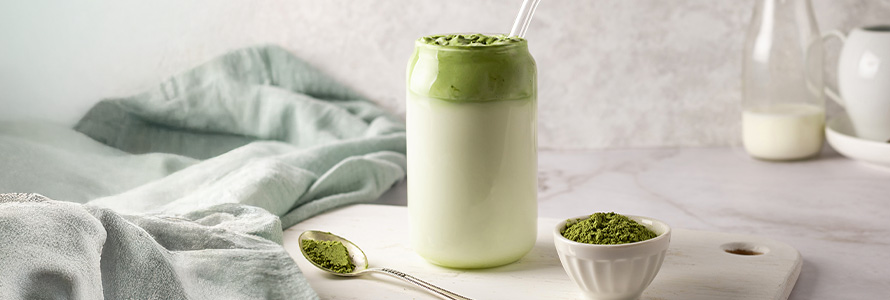
Matcha has become a worldwide phenomenon by combining tradition, functionality, and naturalness. With a preparation ritual steeped in cultural symbolism, this powdered green tea variety has expanded far beyond infusions—finding success in desserts, supplements, bakery products, and even personal care categories.
Its success is closely tied to social media. Platforms like TikTok have fueled its popularity, especially among younger generations. In the United States, for example, matcha consumption among Gen Z grew from 17% in 2021 to 25% in 2024.
However, its meteoric rise has brought challenges. Japanese production—requiring shaded cultivation, manual harvesting, and careful milling—cannot keep up with global demand. Climate change adds further pressure, affecting crop quality and yields.
As a result, matcha supply has become limited, creating opportunities for alternatives that combine the same pillars of functionality, flavor, and cultural heritage.
Yerba Mate: The Green Jewel of Latin America

Native to the subtropical regions of South America, yerba mate has a history spanning centuries. The Guarani people used the plant in rituals that embodied energy, health, and community connection. Today, its consumption remains deeply rooted in countries like Brazil, Argentina, Paraguay, and Uruguay—whether as hot chimarrão or cold tereré.
Beyond tradition, yerba mate stands out for its functional profile: rich in caffeine, polyphenols, and antioxidants, it delivers a combination of bioactives that promote natural energy, antioxidant action, metabolic support, and a mild diuretic effect.
Clean Energy for the Body
The caffeine in yerba mate belongs to the methylxanthine class and, when combined with compounds such as tannins and phenolic acids, offers a balanced absorption rate in the body. This results in a smoother, longer-lasting stimulation, reducing the common side effects of caffeine.
Antioxidant Powerhouse
With a high concentration of catechins and phenolic acids, yerba mate helps combat free radicals and supports cellular protection. These compounds are associated with overall well-being and the prevention of inflammatory processes—attributes highly valued in the functional food, beverage, and supplement industries.
Metabolic Support and Weight Management
A clinical study conducted by Kim et al. (2015) showed that supplementation with yerba mate extract resulted in a significant reduction in body mass and body fat percentage in obese adults. These findings suggest that yerba mate consumption may enhance energy metabolism and support healthy weight management—reinforcing its potential as a natural ingredient for a healthy lifestyle*. *We recognize the importance of regulatory compliance in all the markets we serve. Therefore, ingredient declarations and permits may vary depending on country requirements. Please consult applicable legislation.
Natural Diuretic Effect
Thanks to its methylxanthine content, yerba mate also exhibits diuretic properties, helping to maintain fluid balance and a sensation of lightness—attributes appreciated in beverages designed for wellness.
How Does Yerba Mate Position Itself in the Global Functional Beverage Market?

Beyond sharing strategic touchpoints with matcha, yerba mate also presents unique characteristics that make it especially relevant for global innovation.
Natural Energy as a Consumption Trend
According to Mintel, 41% of energy drink consumers in the U.S. state they prefer products that provide energy without jitters or sudden crashes. This mindset aligns directly with yerba mate’s “clean energy” concept.
Sensory Appeal
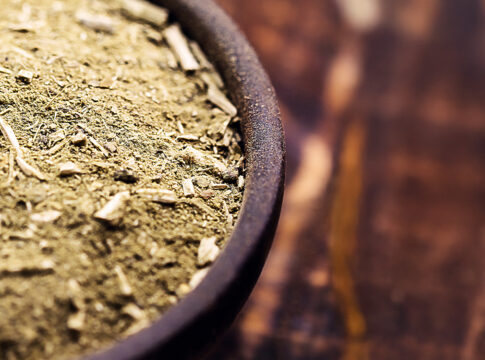
Yerba mate offers a distinctive herbal and slightly bitter flavor profile, which can be blended with fruits, spices, and other botanical ingredients.
This versatility expands its sensory potential, creating unique and differentiated experiences for consumers seeking new flavors—from citrus-infused iced teas to sophisticated energy drinks with spiced notes.
Versatility Across Categories
Like matcha, yerba mate is highly versatile. It can be applied in ready-to-drink (RTD) beverages, supplements, energy drinks, functional gummies, and cocktails.
This potential is strengthened by the rise of hybrid beverages: between 2020 and 2025, global RTD tea launches grew by 33%, while cold brew launches increased by 53%.
Cultural Authenticity as a Differentiator
The traditional mate ritual embodies regional identity and a sense of community. Modernizing this consumption into convenient formats—such as cans, bottles, or energy shots—allows brands to merge urban convenience with the appeal of authentic cultural heritage.
Supply Resilience
With growing pressure on the global matcha supply chain, yerba mate emerges as a sustainable and accessible alternative. Its wide availability across South America ensures greater supply stability and origin diversification, reducing risk for brands while addressing consumer concerns around ingredient sourcing and safety.
Yerba Mate Consumption in the United States
The growing presence of Latin America’s green jewel in the North American market demonstrates how it is steadily consolidating its position among functional beverages.
Preferred Formats
In the U.S., yerba mate appears mainly in RTDs and natural energy drinks, positioned as a healthy alternative to coffee and traditional energy drinks. Its messaging focuses on sustained energy, naturalness, and the absence of an energy “crash.”
Consumer Age Profile
Consumption is led by Millennials and Gen Z (ages 18–34), who value convenience and transparency. Approximately 30% of this group say that knowing the caffeine content is a deciding factor when choosing a beverage.
Among Gen X and Baby Boomers, adoption tends to be lower, as these groups generally prefer familiar beverages with low sugar content and more traditional flavors.
Opportunities for Expansion
These insights show that yerba mate has already captured younger audiences but still holds strong potential to expand into other age groups—especially through innovative formats and clear communication of its functional benefits.
Beyond Matcha: Latin American Botanicals on the Rise
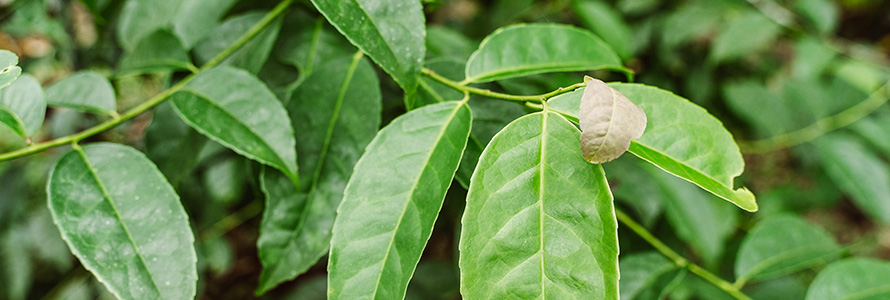
The growing strain on matcha supply creates opportunities for other regional ingredients. In Latin America, native botanicals offer not only functional benefits but also rich cultural narratives with high market potential. Among them:
Guayusa
Native to the Amazon, guayusa is prized for providing long-lasting energy and mental focus, with a smoother flavor profile than yerba mate. Commonly used in functional and natural energy beverages, it reinforces the region’s potential to offer viable alternatives to matcha.
Guarana
Also native to the Brazilian Amazon, guarana is known for its natural stimulating effect, thanks to its caffeine and other bioactive compounds. Used in energy drinks, supplements, and functional beverages, it promotes vitality and enhances physical and mental performance.
Açaí
Recognized worldwide as a Brazilian superfruit, açaí is a source of antioxidants, fiber, and natural energy. Its international popularity demonstrates the strength of Latin American cultural storytelling when paired with proven functionality.
Trust Your Formulations to Those Who Combine Innovation with Authenticity
With a deep understanding of global trends and a direct connection to Latin American origins, we offer standardized yerba mate extracts from our MateActive portfolio to the international market.
Available in Green Yerba Mate and Toasted Yerba Mate versions, the extracts are standardized in caffeine, chlorogenic acids, and polyphenols, with certifications ensuring quality and safety for food, beverage, and supplement applications.
With this portfolio, we empower brands to create innovative products that unite naturalness, functionality, and cultural authenticity—strengthening Latin America’s position in the global functional ingredients market. Contact us to learn more.